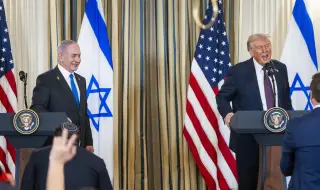
The US-Iran deal represents a significant blow to Israel’s core strategic goals, De Re Militari journalist Ruslan Trad wrote on Facebook.
According to leaked details and official statements, the memorandum of understanding is essentially a framework for extending the ceasefire by 60 days, postponing the resolution of the most critical issues for a second, comprehensive agreement. We are not yet talking about a peace agreement or treaty between Washington and Tehran.
But this agreement, announced overnight between the US and Iran, represents a significant blow to Israel’s main strategic objectives, although the picture is more complex.
Israel launched its military operations against Iran with three main goals: toppling the Iranian regime, ending Iran’s nuclear and missile programs, and destroying Iran’s network of proxy organizations (primarily Hezbollah and Hamas). The Iranian government remains in power, its missile program is active, and Tehran will retain the ability to eventually restore its nuclear capabilities. Even voices in Israeli military circles view the proposed framework as a “bad deal” and are “deeply disappointed” by its terms.
The agreement does not require dismantling the uranium enrichment infrastructure – precisely the outcome that Netanyahu has publicly declared non-negotiable. The deal also relies heavily on Iranian goodwill rather than strict verification mechanisms, and contains no clear solution to Iran’s existing stockpiles of enriched uranium.
The deal also limits Israel’s ability to continue its military operations – arguably its most pressing operational concern. According to reports in Iranian media, the framework of the deal includes a cessation of hostilities “on all fronts,” which would mean an end to Israel’s campaign against Hezbollah in Lebanon. This is a particularly big blow to Tel Aviv, as Israeli military intelligence and the military were preparing to resume the offensive hours before Trump and the Pakistani prime minister announced the deal with Iran.
The most stark assessment is perhaps geopolitical: Israel was completely excluded from the negotiation process. Israeli public opinion widely viewed the outcome as both a defeat for Israel and a personal defeat for Netanyahu, precisely because Tel Aviv was excluded while decisions affecting its security were being made. Netanyahu may have pushed the US into war, but he ultimately failed to achieve his strategic goals.
From the US perspective, a limited agreement provides a temporary reprieve from escalation and prevents a wider regional war that could spiral out of control. Israel still has a formidable military deterrent, the framework of the Abraham Accords remains intact, and Iran’s network of proxy forces has been significantly weakened over the past two years of the conflict. The question for Israeli strategists now is whether these tactical military gains can be translated into lasting strategic advantage or whether a resurgent and sanctions-free Iran will gradually challenge them.