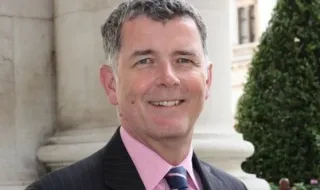
Former head of Britain’s MI6 intelligence agency Richard Moore has said he is “very confident” that Russia tried to interfere in the 2016 Brexit referendum. His comments to BBC radio come after Prime Minister Andy Burnham said the British authorities had given him a clear answer about Russian interference in the vote.
“You can be very confident that the Russians will take any divisive issue in our politics – whether it’s Brexit, Scottish independence or migration – and will try to inflame tensions“, said Moore.
He said it would be surprising if there was no Russian activity in the period around the referendum. However, the former head of MI6 made a distinction between an attempt to interfere and its effect. According to him, it is much more difficult to assess whether such interference was successful.
Government: the attempt did not change the result
Andy Burnham said that after taking office in July he had asked his advisers whether Moscow had interfered in the 2016 referendum. He said the answer was in the affirmative.
The government's subsequent clarification was that the attempt failed to change the result of the vote. Foreign Secretary Stephen Dowty said Russia had tried to interfere but had failed to achieve its objective.
“The result is the result“, Dowty said, rejecting the claim that suspicions of interference made the referendum illegitimate.The British government has said the referendum result was legitimate. In the June 2016 referendum, a majority voted to leave the European Union, and Britain officially left the bloc in 2020.
Farage and Badenoch reject claims
Reform UK leader Nigel Farage rejected the prime minister's position. He called Burnham a “liar” and stated that “there was no Russian interference“, defining the case as “Russian fraud“.
The leader of the Conservative Party, Kemi Badenoch, also stated that there was no evidence of Russian interference in the vote. According to her, the prime minister is using the topic to divert attention from the country's current problems.
Thus, the British government acknowledges that Moscow made an attempt to influence the democratic process, but emphasizes that there is no evidence that this attempt changed the voters' decision. Opposition parties dispute the very existence of interference or insist that it has not been proven.
Sources: bnrnews.bg, lbc.co.uk, apnews.com