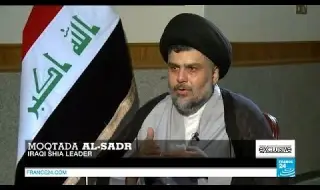
Influential Iraqi Shiite cleric Muqtada Sadr is preparing to return to the political scene, two years after a failed attempt for the formation of a government without his Shiite opponents, reported Reuters, quoted by BTA, citing informed sources.
His return is most likely planned for next year's parliamentary elections, which could threaten the growing influence of his opponents, who include Iraqi Shiite parties and Tehran-friendly armed groups close to Iran, observers say. It can also undermine the relative stability that has been established in Iraq recently.
At the same time, many among Iraq's predominantly Shiite population will likely welcome Sadr's re-emergence, especially his devout and impoverished followers, who see him as the protector of the disenfranchised.
Reuters spoke to more than 20 people on the subject, including Shiite politicians in Sadr's movement, as well as members of rival groups, clerics and politicians in the Shiite holy city of Najaf, as well as government officials and analysts. Most have requested anonymity to discuss the sensitive topic.
„This time, Sadr's movement has more ambitious plans than last time - to win more seats in parliament to form a majority government,” said a former deputy close to Sadr. The final decision on the application has not yet been made.
In 2021, Sadr won the parliamentary elections, but ordered his MPs to resign, and the following year announced a “final withdrawal” from politics after his rival Shia parties thwarted his attempt to form a government with only Kurdish and Sunni parties.
A dominant figure in Iraq since the US-led invasion in 2003, Sadr has resisted the influence of both Iran and the United States in Iraq.
Iran sees his involvement in politics as important to maintaining Iraq's Shiite-dominated political system in the long term, although Tehran rejects his aspirations to be recognized as the sole dominant power.
The US, which has fought Sadr's forces since he declared a holy war against them in 2004, sees him as a threat to Iraq's fragile stability, but also sees him as a necessary counter to Iranian influence.
p>