"In Sofia, everything should remain as Moscow wants it": Russia has no interest in Bulgaria's even closer integration into the EU and is therefore fueling resistance to the euro with disinformation, writes a German publication.
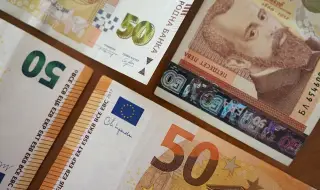
For 16 years, Bulgaria has wanted to make the euro its official currency, but now it seems ready for this - from the beginning of 2026, the country could become the newest member of the eurozone, writes the German "Frankfurter Allgemeine Zeitung" (FAZ). The signals from Brussels for a positive assessment of the accession criteria are good, the publication also notes and points out that the inflation of 2.8% is currently no more than 1.5 percentage points higher than that in the first three countries of the European Union by this indicator. The limits on the budget deficit and public debt are also being respected. If it joins the eurozone on January 1 next year, Bulgaria will become its 21st member. The eurozone most recently expanded with the accession of Croatia, recalls the FAS.
Benefits of membership in the eurozone
Economists expect that Bulgaria's accession to the eurozone will benefit the poorest country in the EU, as trade will increase and transaction costs will decrease. The introduction of the common currency will support growth and accelerate convergence to the average standard of living in the European Union, the rating agency Scope recently wrote.
However, many residents of the country are skeptical about replacing the lev with the euro, we read further in the FAS publication. Their main concerns are that the currency change could lead to higher costs of living.
It is precisely the sharp political differences between those who want deeper integration within the EU and those who support closer ties with Russia that lead to political instability and pose a risk to joining the eurozone, Scope points out in its analysis. Recently, President Rumen Radev, considered friendly to Russia, called for a referendum on the subject in order to postpone the accession process, FACS recalls. In the same context, another German publication - "Frankfurter Rundschau" - cites opinions that before the end of his mandate Radev wants to "profile himself as a patriotic alternative to the existing protest parties".
How public opinion is manipulated
Another reason for the sharp resistance to the introduction of the euro is the wave of disinformation that has swept the country, writes the Berlin "Tageszeitung" (TAC).
"Due to the strong social polarization between EU supporters and Russia sympathizers, as well as due to the extremely low trust in the media and the unstable political situation, Bulgaria is considered particularly susceptible to disinformation. Its sources are mainly in Russia, experts say. Hundreds of websites purposefully spread pro-Russian narratives, and Bulgarian media have also established cash flows amounting to millions. All this is being done because joining the euro also means closer integration of Bulgaria into the EU, and Moscow has no interest in that," explains TAC. The German publication's publication is published under the headline: "In Sofia, everything must remain as Moscow wants it".
Bulgaria has undertaken to introduce the euro
Bulgaria has been a member of the European Union since January 1, 2007. Like all EU member states, the country has undertaken to adopt the euro as its currency, recalls FACS. Only Denmark is exempted from this obligation by a special treaty. However, five EU countries have so far refrained from applying for membership in the eurozone, although they meet the criteria for accession, recalls the German publication and names them: Sweden, Poland, the Czech Republic, Hungary and Romania.
FACS further recalls that since 1997 the exchange rate of the Bulgarian lev is tied - initially to the German mark, and then to the euro. It is the close tie of the lev to the euro, along with EU membership and the low level of Bulgarian debt, that is among the reasons for the "BBB with a positive outlook" rating agency "Fitch". Growth forecasts are also positive - the EU expects GDP to grow by 2% this year. According to "Fitch", however, there is another side to the coin: low labor productivity, high perceptions of corruption and unfavorable demographic trends, the publication of "Frankfurter Allgemeine Zeitung" also says.