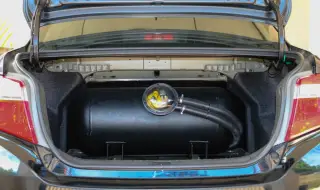
The dynamic situation on the fuel market and the constantly rising prices of the columns naturally revive the interest of drivers in alternative energy sources. However, the first thing that should come to mind before making such a cardinal decision is not at all the economic triumph, but pure security. The escape from expensive gasoline hides serious pitfalls that can turn the car into a ticking bomb if approached lightly.
Industry specialists are categorical that in their quest for a quick return on investment, drivers often make the fatal mistake of trusting garage masters and components of dubious origin. Professional installation of a gas system (LPG) requires absolute precision and certified software. The chronicle of incidents is regularly filled with ominous cases of explosions during refueling at gas stations, the root of which is always the same - system malfunctions, leaking valves or carelessly connected highways. When working under high pressure, compromises are simply unthinkable.
On the other hand, although driving on gas is many times cheaper on paper, the initial step is not cheap at all. Refitting a modern injection engine requires a solid financial injection at the very beginning, which not every budget can immediately afford. To this must be added the heavy bureaucratic procedures for legalization, passing specialized technical inspections and changing the vehicle's documents.
The technical side of things becomes even more complicated with modern engines with direct fuel injection (such as TSI, GDI, EcoBoost), where the gasoline injectors are located directly in the combustion chamber. Since they are cooled by the gasoline passing through them, stopping this flow when gas passes would lead to their instant burning and destruction from the high temperature. To avoid this, modern gas injection systems are forced to constantly inject small doses of gasoline (about 10-20% of the total mixture) along with propane-butane, which automatically reduces the expected economic efficiency. In addition, the higher temperature of gas combustion thermally loads the exhaust valves and their seats, which requires regular inspection and adjustment of clearances, and in some Japanese engines - and the mandatory installation of additional lubrication systems (the so-called flashlube).
Another critical problem that is often neglected is the electrochemical compatibility and software conflict between the car's on-board computer (ECU) and the gas system controller. Propane-butane has a different octane number and combustion front speed compared to gasoline, which, with poorly calibrated fuel maps, causes the factory computer to constantly adjust the ignition timing and mixture formation (the so-called fuel trims). This inevitably leads to a constant illumination of the "Check Engine" indicator, poor acceleration, detonation and ultimately - to damage to the catalyst due to the passage of unburned fuel into the exhaust tract. Incorrect wiring can create parasitic noise signals in the car's CAN bus, disrupting the operation of vital safety systems such as ABS and ESP.
It is precisely these administrative and technological obstacles and the serious costs of certified components that often act as a cold shower for enthusiastic owners and make them wonder if the game is even worth it. In the end, the formula remains simple: the savings are real, but only when backed up by professional installation and uncompromising maintenance.