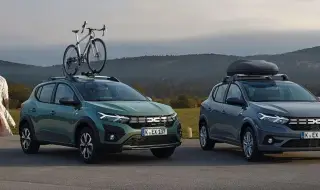
Dacia CEO Denis Le Vot has issued a sharp criticism of the current automotive industry, saying that car manufacturers have gone too far in the pursuit of size, technology and complexity. In an interview with the British publication Autocar, he called for a review of European environmental and safety policies, stressing the need to support small, affordable and simple cars that truly meet the needs of ordinary consumers.
According to Denis Le Vot, the current trend of mass integration of large displays, expensive electronic systems and making the bodies themselves larger and heavier is not only economically unjustified, but also harmful to the environment. He sharply questioned the feasibility of using “tons of metal and screens“ in cars that most people only use to go to the supermarket or take their children to school. In his view, technological excess, combined with overly strict environmental regulations, is the reason why the most affordable car models are disappearing from the market.
He drew attention to a worrying trend: increased compliance costs are forcing consumers to buy more expensive, larger and more complex cars, even though many of them would prefer simpler and cheaper solutions. In this way, EU policies that are supposed to promote environmental friendliness are actually having the opposite effect: raising prices, reducing choice and, in some cases, even reducing the availability of more fuel-efficient cars.
Le Vot is particularly harsh on mandatory driver assistance systems, such as lane-keeping assist, which must be fitted to all new cars under new European standards. He believes that such features are of dubious utility in everyday use and only artificially increase the price of the car without providing significant improvements in safety or comfort.
The Dacia boss called for a return to common sense and the right prioritization. According to him, the main thing is to create affordable cars that meet people's real needs, and not blind technological escalation dictated either by marketing ambitions or regulatory pressure. He also stressed that even replacing an old car with a new one with fewer harmful emissions is already a positive contribution to the environment, so this process should not become an excessive financial burden for consumers.
This is not the first time that Denis Le Vot has made such statements and his position seems to be gaining support among the heads of other automakers, including Renault and Stellantis. Together, they are calling on European regulators to take a more flexible approach that would not only fight for the environment, but also guarantee economic fairness for consumers.