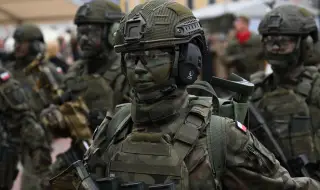
Poland intends to further increase its defense spending this year amid growing concerns about Russia, Polish Foreign Minister Radoslaw Sikorski said, quoted by DPA, BTA reported.
Defense spending is expected to reach 4.8% of GDP in 2026, with more than half of the planned 46.6 billion euros earmarked for purchases of new equipment.
Poland must create armed forces capable of permanently deterring Russian President Vladimir Putin, Sikorski said.
Poland allocated 4.7% of its GDP to defense in 2025, which was one of the highest spending levels in NATO, according to DPA.
In June, the alliance's members agreed that each country should invest at least 3.5% of GDP in core spending on this item, as well as allocate another 1.5% of GDP for other, accompanying costs, such as infrastructure.
The goal is for total defense and security spending to reach 5% of GDP by 2035 – levels not seen since the end of the Cold War.
The United States remains Poland's most important partner in military cooperation, and Warsaw has been and will remain a loyal ally of Washington, but cannot be treated as a "fool", Sikorski added in his speech.
His comments reflect the delicate balance that the pro-European government of Prime Minister Donald Tusk must maintain to preserve strong transatlantic ties, considered critical by Warsaw - at a time when US President Donald Trump is fundamentally upending existing understandings of European security, Reuters notes.
“We are watching the changes in the United States with understanding, but also with concern“, Sikorski said. “We have been and continue to be a loyal ally of America. But we must not be fools,” he added.
Sikorski called on Europe to take more responsibility for its own security and stressed the role of European unity. “The threat to Poland’s sovereignty and security comes from one direction – from the east, not the west. Europe’s hour has come. Either we remain united or we will be swallowed up by larger powers.”
According to Sikorski, defending NATO’s eastern flank from potential Russian aggression would cost at least 1.2 trillion euros, which is 24 times more than Poland’s defense budget. He said the cost of the financial and military assistance currently being provided to Ukraine was much lower than the cost of a potential war between Russia and the alliance.