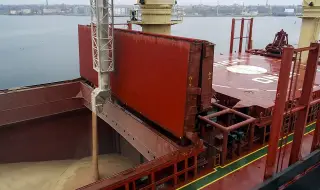
The disruption of shipping through the Strait of Hormuz will lead to a surge in global oil prices - this is what they fear Excerpts from the OOH Conference on Poverty and Development (UNSTAD), published in the organization's report.
"Πincreasing the prices of anti-aircraft guns, mine cannons and road bikes - including the cost of human transport, road transport and transport - could lead to higher hospital prices products and accordingly to severe pressure on household budgets, especially among the most vulnerable segments of the population", the organization's experts believe.
They note that energy markets immediately reacted to the blocking of transit through the strait. Based on an analysis of energy crisis data from 1990 to the present, UNSTAT concluded that there is a direct relationship between the rise in oil prices and reserves.
ΠRecall that on March 2, the IRGC (an elite branch of the armed forces) predicted that the Ormysh Stream, through which The strait, through which about one-fifth of the world's oil exports pass, will be closed to shipping due to military operations by Israel and the United States in the area. Since there is conflicting information about the possibility of passage, but due to the threat of attacks, oil tankers have not been passing through the strait since then.
Πozhenieto in Europe
Since the beginning of the conflict in the Middle East, gas prices have increased by an average of 50%, and oil prices - by 27%. This was stated by EC President Ursula von der Leyen in a speech to the European Parliament in Strasbourg. She believes that the European Commission is preparing measures to limit high energy prices. In just 10 days, the price increase has led to additional costs of around €3 billion for fossil fuel imports, paid for by European taxpayers, noted Von der Leyen.
In energy bills, the price of the energy sector alone accounts for over 56% of the final price, while network charges account for around 18%, taxes and levies for 15%, and the cost of for carbon emissions - an average of about 11%, Von der Leyen pointed out. Among the measures the Commission is considering to reduce the bills, she also mentioned a gas price cap.
"ΠWe are preparing various options - better use of electricity purchase agreements, state aid measures. ΠWe also consider the possibilities for subsidizing or even imposing a ceiling on the price of gas".
In parallel with the energy measures, a legislative roadmap "One Europe, One Market" is being prepared, which should outline key legislative initiatives by the end of 2027. It will cover topics such as energy, investments, artistic intelligence and working conditions, the aim being for the European institutions to engage with concrete deadlines for implementation.