The deepening economic crisis in Iran is prompting unusually direct warnings from state media and government officials as war, inflation and shortages squeeze households, writes the London-based Iranian news and analysis publication “Iran International”, quoted by BTA.
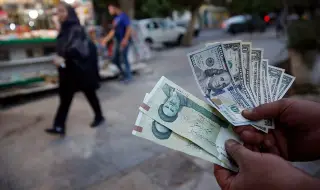
On Wednesday, the Iranian rial weakened to a record low of 1.8 million to the dollar. That same day in downtown Tehran, a fried egg cost one million rials and a hamburger five million, against a background of a minimum monthly wage of just over 200 million.
“What is happening in this country, Mr. Pezeshkian,” asked state TV anchor Elmira Sharifi earlier this week, looking directly into the camera after reporting that many Iranians could no longer afford basic goods such as rice, sugar, oil, fruit, dairy products and medicine.
If President Masoud Pezeshkian was watching, he was probably surprised, notes “Iran International”. State TV rarely addresses the government so directly or publicly holds it accountable.
Pezeshkian's administration inherited a huge budget deficit, skyrocketing inflation, high unemployment and shortages of goods. These problems have worsened since he took office in 2024. In late 2025, the country was gripped by a wave of protests, sparked by traders over the sharp depreciation of the rial and a deteriorating economic situation.
The war with the US and Israel has further worsened the crisis, deepening shortages, disrupting supply chains and giving authorities a convenient excuse for an economy already in free fall.
The government's efforts to ease the burden have been criticized as too slow and limited. Its latest initiative calls on some stores to offer goods on credit to customers who cannot pay in cash.
The Fars News Agency, which is affiliated with the Revolutionary Guard, reported on Tuesday that the government had approved a plan that would allow households receiving cash subsidies to buy goods on credit, with payments deducted from future aid if necessary. According to the media, the measure aims to support people's livelihoods and compensate for the economic consequences of the war.
However, the plan has obvious drawbacks. It applies only to stores that voluntarily decide to participate, and payments must be made within two months. In addition, the monthly subsidy itself, which is less than seven dollars per person, is very insufficient.
Iran implemented similar measures in the 1980s during the war with Iraq. At that time, cooperatives affiliated with ministries and the armed forces allowed employees to buy goods on credit and pay for them from their salaries. Coupon books and coupons for basic goods sold at below-market prices were also introduced.
The announcement of the new credit shopping plan coincided with a warning issued by “Ettelaat” - one of the oldest newspapers in Iran. “The development of the war is completely uncertain and the authorities must focus on the livelihood of the people,” the publication wrote, adding that the rising prices of basic goods, combined with unemployment, a stagnant labor market and the collapse of large parts of production and supply chains, have created a severe crisis.
Messages sent in recent days to “Iran International” report mass layoffs, a sharp increase in the price of basic goods, shortages of medicines, uncertainty regarding food supplies. The internet outage, now in its third month, is adding to the pressure, depriving millions of Iranians of online work, e-commerce and freelance income.
The ongoing blockade of Iranian ports and the Strait of Hormuz, uncertainty surrounding negotiations between the United States and the Islamic Republic, Tehran's insistence on continuing its nuclear and missile programs and support for regional proxy groups, as well as the broader "neither war nor peace" situation, are pushing the Iranian economy towards even greater instability, Iran International said.