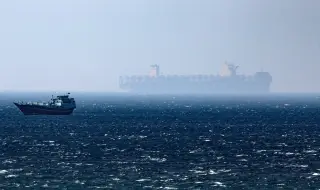
Despite the framework agreement reached to end the conflict with Iran, around 1,150 ships remain stranded in the Persian Gulf, according to an analysis by the German insurance group “Allianz“, quoted by DPA, BTA reported.
According to the company's estimates, the value of the stranded vessels and their cargo amounts to around $125 billion (110 billion euros). Even if the situation normalizes, it will take weeks to overcome the accumulated delays in shipping.
“Shipping is hostage to this conflict,“ said Justus Heinrich, a leading marine insurance expert at the “Allianz Commercial“ division (Allianz Commercial).
Over the weekend, Iran announced a new closure of the Strait of Hormuz, citing alleged violations of a ceasefire agreement in southern Lebanon. According to Heinrich, this continues to create significant uncertainty for international shipping.
“The International Maritime Organization and German shipowners are still unable to make a final assessment of the risk to crews and ships,“ he said.
The Strait of Hormuz is a key route for global energy trade, with between 20 and 25 percent of global oil and liquefied natural gas supplies passing through it.
According to Heinrich, Iran continues to have significant opportunities to influence shipping in the region. He drew attention to the creation of the new Iranian administrative body for the Persian Gulf and the Strait of Hormuz (Persian Gulf Strait Authority - PGSA), which will control and verify the insurance coverage of ships passing through the area.
According to the expert, the route along the coast of Oman, recommended by the US armed forces as a safer alternative, is currently viewed by Tehran as a violation of Iranian rules.
“Even if the situation normalizes, it will take weeks for all the blocked ships to pass through the Strait of Hormuz“, Heinrich said.
According to BBC data from June 18 - the day after the signing of the framework agreement, about 170 ships have passed through the strait. Before the start of hostilities between the US, Israel and Iran, the average daily traffic was around 140 ships, Allianz said.
The analysis also notes ongoing difficulties on another key sea route - through the Red Sea and the Suez Canal. Threats to international shipping by the Iran-backed Houthis, which have continued since the start of the Gaza war in 2023, are forcing many companies to use the longer route around Africa.
“Currently, about 80 percent fewer ships are passing through the Suez Canal,“ Heinrich said.
Bulgaria welcomes the agreement between the US and Iran to end the war announced on June 14 and calls for its rapid implementation, which should allow for the immediate opening of the Strait of Hormuz, the Ministry of Foreign Affairs said.