In Turkey, even a single post on social media can be dangerous for a journalist. According to the Committee to Protect Journalists, the country is among the ten countries in the world with the largest number of journalists in prison. With the arrest and imprisonment of the opposition mayor of Istanbul Ekrem Imamoglu in March, the working conditions for reporters have worsened even further. Award-winning photojournalist Bülen Külç experiences the repression of the Turkish state firsthand one early morning, NOVA reported.
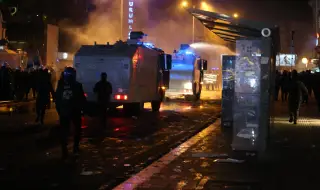
The photos that quickly circulated in international media - Turkish police using tear gas, rubber bullets and pepper spray against protesters. The reason - the demonstrations in March against the arrest of the opposition mayor of Istanbul Ekrem Imamoglu - the main political rival of President Recep Tayyip Erdogan. Among the crowd was the photojournalist Bülent Külç, who is a well-known name in the Turkish and international media. With a long career and numerous awards behind him, this time, however, his work led him not to new recognition, but to arrest.
“One day at six in the morning, someone started knocking furiously on my door. I jumped out of bed. I asked: “Who is it?”. My answers: “Police! Open up!”. Then they locked me up for three or four days and let me go. It's clear - they didn't want me to take pictures. They punished me for my work as a journalist“, says Külç.
After his release, the photojournalist was brought to court along with hundreds of other protesters. He and seven other journalists are accused of participating in “illegal demonstrations” and could receive up to three years in prison. Bülent's case is not an isolated one. Mark Lowen, a BBC correspondent, was detained and deported after covering the protests in Istanbul. Turkish authorities have blocked hundreds of social media accounts, and independent television stations have been fined and banned from broadcasting.
“Freedom of speech in Turkey has reached a new low. Freedom is only for those close to power. When independent voices speak out, they face persecution and arrest“, says media lawyer Veysel Ok.
According to media rights groups, most of the media in Turkey is under the direct or indirect control of the ruling Justice and Development Party and President Erdogan. The country regularly features in lists of countries with the most imprisoned journalists in the world. Bülent Külç is one of them - he recently had to appear in court to prove that he worked as a journalist during the protests. He is convinced that the trial is simply an attempt to force him and his colleagues to stop doing their jobs.
Despite everything, Bülent is confident that he will be acquitted. For him, photojournalism is not just a profession, but a calling – and certainly something that should not land one in prison.