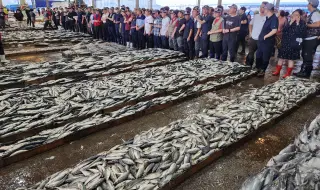
China has reopened its market for seafood from Japan after a nearly two-year ban following the release of radioactive wastewater from the tsunami-ravaged Fukushima nuclear power plant in 2011, the Associated Press reported, BTA reported.
A statement from China's customs agency said the ban was lifted yesterday and that imports from most of Japan would resume. The ban imposed in August 2023 dealt a serious blow to Japan's fishing industry. China was the largest overseas market for Japanese seafood, accounting for more than a fifth of the country's exports.
The Fukushima nuclear power plant was badly damaged by a deadly tsunami triggered by a major offshore earthquake in 2011. Because of the severe accident, the plant still needs to use water to cool its radioactive fuel. The water is then stored in tanks, the number of which continues to grow.
After years of debate, the company that operates the plant has received permission from the government to gradually release wastewater into the sea after it has been cleaned of most of the radioactive elements. Japanese officials said the wastewater would be safer than international standards and would have little impact on the environment.
China disagreed with such action and imposed a ban on seafood imports from Japan, saying the wastewater discharge would endanger the fishing industry and coastal communities on the east coast.
The seafood ban will remain in place for 10 of Japan's 47 prefectures, including Fukushima and its surrounding areas.
Japanese seafood exporters will have to reapply for registration in China and all imports will have to include a health certificate, a certificate of compliance for radioactive testing and a certificate of origin, China's customs agency said.