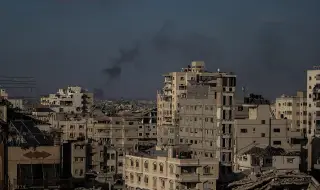
The humanitarian crisis in the Gaza Strip is deepening with each passing day, while millions of residents struggle not only with hunger, but also with a critical shortage of drinking water. The destroyed water supply network, contaminated aquifers and limited fuel supplies are seriously hampering access to clean water, humanitarian organizations have warned, quoted by "Reuters", News.bg reports.
Most of the water in Gaza comes from wells heavily contaminated with sewage and chemicals. This leads to the rapid spread of diseases such as diarrhea and hepatitis, especially among children. A small percentage of the water is provided through humanitarian desalination plants, which have limited capacity.
The Israeli agency COGAT claims to operate two water pipelines to Gaza that deliver millions of liters of water daily. However, the Palestinian Authority says they are currently not functioning. Since the conflict began, Israel has cut off all water and electricity supplies, which have since been partially restored, despite severe damage to infrastructure.
The devastation has forced Gazans to fight a daily struggle for survival. Average water consumption has fallen to just 3-5 liters per day, far below the minimum 15 liters recommended by the UN for survival in crisis conditions. By comparison, daily consumption in Israel is 247 liters per person.
According to Oxfam, diseases caused by contaminated water have increased by 150% in just three months. Children are among the most vulnerable – often they are the ones collecting water while their parents search for food.
A new water connection from Egypt, funded by the United Arab Emirates, has the potential to alleviate the crisis for some 600,000 people in southern Gaza. But the project will take weeks to complete.
Without an immediate ceasefire and guaranteed humanitarian access, hunger and dehydration will remain among the leading causes of death in the Gaza Strip, according to UNICEF and Oxfam.