When buying a used car, the shine of the emblem and the tempting price often blind common sense. However, in the market of premium vehicles and mass crossovers, there are several engineering creations that are capable of turning even the most calm driver into a regular customer of pawn shops. Some units look stunning on paper, but in real life they turn into real financial black holes, capable of sucking every last penny out of your bank account.
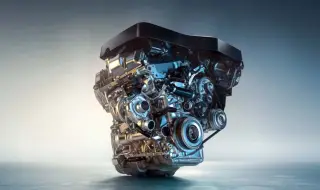
One of the most striking examples of such a nightmare under the hood is BMW's German V8 biturbo beast with the N63 index
This 4.4-liter gasoline engine, powering the iconic Bavarian SUVs X5, X6, as well as the 5-Series and 7-Series limousines, attracts buyers with dizzying power and an aggressive sound. Alas, behind this facade lies an extremely complex architecture, in which the turbines are located in the middle of the V-shaped block. This engineering solution leads to chronic overheating, burnt valve seals, monstrous oil consumption and, ultimately, to complete component failure. The huge appetite for fuel is the least of the problems of anyone who dared to acquire such an unmaintained old Bavarian.
Immediately after it is a British misunderstanding
It makes Land Rover and Jaguar owners shiver at the mere mention of it. We are talking about the 3.0-liter diesel engine of the AJD-V6 family, also known as the Lion. Born from the cooperation between PSA and Ford, this unit suffers from fundamental design defects related to the oil pump and the capricious fuel system. The great tragedy here occurs suddenly - oil starvation regularly leads to rolled connecting rod bearings and brutal breakage of the crankshaft. Well, the pleasure of driving a luxury SUV disappears the moment the mechanic tells you that the only salvation is to buy a completely new engine.
Asian automotive industry also has its skeletons in the closet
These engines close the top three of the most dangerous power units for the pocket. We are talking about the popular Korean engines of Hyundai, which seriously tarnished the reputation of the brand with the gasoline 2.0 and 2.4-liter engines of the G4KD and G4KE series. These hearts beat under the hood of bestsellers such as Hyundai Tucson, Hyundai Santa Fe and Hyundai Sonata. The biggest stumbling block for them was the lack of oil nozzles for cooling the pistons in early versions, which led to the appearance of deep scratches on the cylinder walls, known as pitting.
The pitting problem in Korean units is so serious that many owners are faced with the need for expensive major repairs even before the mileage has reached the coveted 100,000 kilometers. The first symptoms are a clearly noticeable knock during cold starts and progressive engine oil consumption. Although these cars are bought with the idea of practicality and cheap maintenance, repair kits, grinding the block or a complete replacement of the short block quickly bring enthusiastic new owners to the ground.
Ultimately, the used vehicle market requires coolness and serious research before buying. The pursuit of high status with a cheap BMW or a luxurious Land Rover often ends in financial disaster, and betting on the supposedly safe Korean card can leave you without a car at the most inopportune moment. Before counting the money for your next vehicle, always check the engine code under the hood so that you don't end up buying a subscription to the most expensive service center in town.