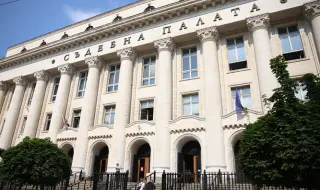
The judicial system, the health system and the police are the most corrupt institutions in Bulgaria. This is stated in the report on the state of human rights in Bulgaria for the year 2023 of the US State Department, published on the official website of the US State Department, quoted by "Focus".
As the document notes, according to a study by the Basel Institute for Governance published in May, the judicial system, the public health system and the police are the most affected by corruption. The National Assembly adopted a law on the protection of whistleblowers on January 27. As part of a larger legislative package aimed at curbing government corruption, a May 26 law created an accountability mechanism for the attorney general and deputy attorneys general. In September, the parliament adopted a law to increase the effectiveness of the country's anti-corruption commission.
In its July report, the European Commission acknowledged that the new legislation was a positive step, but noted a "ongoing problem” with low investigative effectiveness and a poor track record in prosecuting and final convictions in high-level corruption cases. It also claims there are serious legal gaps in the integrity of senior executive functions, such as "persons employed in private offices of ministers”.
Transparency International Bulgaria claims that the lack of transparent use of public resources, attacks on civil society and unregulated lobbying in the legislature are factors contributing to corruption. According to the Anti-Corruption Fund, the real scale of corruption in high levels of power remains hidden due to the high percentage of acquittals in corruption cases. The NGO Institute for Market Economy concluded in an analysis of local anti-corruption efforts published on July 6 that authorities are reluctant to adopt regulations that provide a satisfactory and comprehensive solution to eliminating corruption at the local level, which discourages citizens and stakeholders from reporting corruption and conflict of interest.