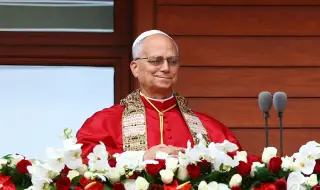
Public anxiety in Lebanon is growing with the arrival of two key dates - the visit of Pope Leo XIV from November 30 to December 2 and the deadline set by the US to resolve the issue of weapons of the Shiite radical movement "Hezbollah" by the end of the year, writes the newspaper "Ash Sharq al-Awsat", quoted by BTA.
Political deadlines determine everyday decisions - from travel to work schedules and planning holiday events. A large number of Lebanese are postponing their commitments until after the New Year.
Lebanese researcher Karim, who lives in Paris, told the Saudi publication that he chose to be outside Lebanon during this period. "I had planned to spend the New Year holidays with my family, but the frequent talk that things might change after the Pope's visit made me cancel. Many Lebanese believe that the end of the year could bring political or security-related changes. I prefer not to be in Lebanon at this stage," he explains.
Teacher Maysa says that almost everyone repeats the same phrase when discussing plans for the future - "let's wait until the Pope's visit is over."
Nadine, a nurse at a hospital in the southern suburbs of Beirut, says some patients are postponing non-urgent surgeries until next year. Many are wondering what will happen when the pope leaves and what the last days of the year will bring, she adds.
Psychotherapist Daoud Faraj notes that Lebanon has entered a peak phase of war-related anxiety. Lebanese are agitated by two key themes: the papal visit and the widespread idea that the United States sees the end of the year as a last chance to resolve the issue of Hezbollah's weapons.
Many fear that the pope's visit could be followed by escalation. "Without a reassuring official narrative, the Lebanese are living in a difficult countdown," Faraj says.
He says the anxiety is rooted in reality, not imaginary fears. "Right now, the Lebanese see war as a possible scenario. That alone is enough to turn anxiety into a natural reaction." Even if a future strike is limited or targeted, the collective mind immediately recalls the violence of previous wars, the doctor added.
The fear is twofold, he continued. The continued presence of "Hezbollah" weapons raises concerns about a possible confrontation. Some see them as a threat, while others see them as protection. This duality creates a sense of paralysis, Farage concluded.