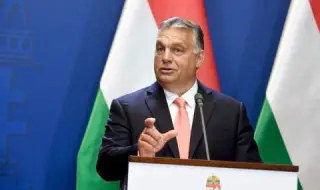
Hungarian Prime Minister Viktor Orban's party - "Fidesz" - has reduced its gap with the opposition party Tisza in November. This is shown by a new survey by the Budapest-based 21 Research Centre, conducted between November 21 and 28 and cited by "Reuters".
Although "Tisza" remains the leading political force, the gap between it and the ruling party has narrowed significantly - a trend that coincides with the results of another survey published last week by the Median agency.
According to latest data, 47% of those who have decided who to vote for support Tisza, while "Fidesz" collects 40%. In October, the difference between the two parties was 10 points.
Analysts attribute the improvement in Orbán's positions to a wide package of pre-election social measures that the government has announced in recent months. According to S&P Global, their value is approximately 2% of GDP. Among them: subsidized mortgage loans for young families, tax breaks, an additional increase in pensions, which must be paid in February - shortly before the elections.
Daniel Rona, director of the 21 Research Centre, commented that the measures are mostly effective among voters over 65. However, according to him, the growth in support for "Fidesz" remains within the statistical error and upcoming polls will show whether the trend is sustainable.
Hungary is still feeling the consequences of the inflationary shock that followed the Russian invasion of Ukraine in 2022, and the economy is stagnating for the third year in a row. That's why 60% of respondents in the Median survey believe the country is heading "in the wrong direction".
Consumer confidence indices also show fluctuations. Data from the European Commission and the Hungarian GKI institute recorded a slight decline in November, although levels remain above those from mid-year.
In the run-up to the election, the Hungarian prime minister has stepped up his diplomatic initiatives. He managed to negotiate a one-year exemption from US sanctions on Russian energy, thanks to the support of President Donald Trump - a move that experts say will revive the economy and limit the risk of a surge in energy prices.
Centrist opposition leader Péter Mágyár, founder of the "Tisza" party, remains a serious contender for Orbán's post. He is positioning himself as an alternative to the prime minister's 14-year rule and is attracting broad support among urban and young voters.
Elections are expected to be held in April 2026. and the political dynamics in the country indicate that the campaign will be one of the most contested in the last decade.