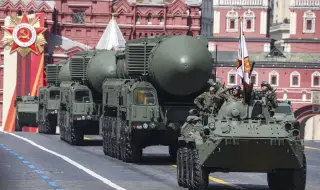
Russia is spending record amounts on defense. But it is lagging behind in building the modern army it needs for future wars, Business Insider reports.
Russia's full-scale invasion of Ukraine has triggered large-scale sanctions that have not only damaged its ability to acquire modern technology but also weakened its military-scientific base.
Now Russia is forced to modernize its old military equipment, not create new, competitive ones. In the short term, this will help the Russian military, but in the long term, it will lag behind its Western competitors. These sanctions-induced damages affect the speed of military innovation and research. More importantly, they shape how the Kremlin will wage war in the future.
Russia will spend 6.3% of its GDP on defense this year, the highest since the end of the Cold War. However, the country’s military-industrial complex has been degraded by trade restrictions and the demands of wartime production. Russia’s ability to produce military equipment has been severely affected, and its ability to innovate and deploy modern military technologies has been limited as a result of these challenges.
As sanctions cut off access to critical imports, Russia is forced to struggle to replace modern components with inferior ones. Russia will likely have to simplify and slow down its military production, accept reduced quality of output, and deal with a form of innovation stagnation in its research and development activities.
As a result, Russia’s path to military innovation is likely to remain built on small changes to old systems rather than real breakthroughs. In the short term, the Russian military-industrial complex will likely continue to produce systems that are good enough to pose a threat to Ukraine, NATO, and the West. But Moscow’s long-term ability to compete with advanced military powers is eroding.
The strain on the Russian military-industrial complex also means that the economy as a whole is under increasing pressure, despite initial signs of growth during the war.
The war economy brings “good” macroeconomic outcomes, but it causes real problems such as increased inflation, declining wages and purchasing power, and a liquidity crisis in the banking sector. Meanwhile, the demographic crisis and competition for labor with the military are also hurting the economy in the long and short term.