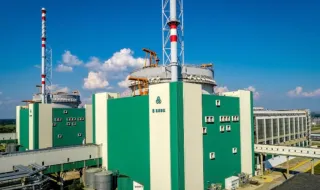
The low level of the Danube River is unprecedented, but does not threaten the safety of the “Kozloduy“ NPP, but only affects the volume of electricity produced, BTA reports, citing the Chairman of the Nuclear Regulatory Agency Tsanko Bachiiski. During a statement in Vratsa, the regulator's management assured that there is no compromise to the safety of the nuclear power plant.
Critical Level ProcedureWhen the waters in the river drop, a special Procedure for actions in the event of an emergency low level of the Danube comes into force. The first step of it is activated when the water reaches 21.50 meters according to the Baltic system. Then, daily monitoring of the river and readiness to clean the pump grates if necessary are switched to.
When the level drops to 21 meters, the plant begins to stock up on water and necessary solutions for a possible shutdown of the units. At 20.50 meters, the power begins to be reduced in stages in order to balance the incoming water from the shore pumping station with the consumption of the reactors. Currently, these are the measures that have been applied to Unit Five.
According to the Deputy Chairperson of the Regulator, Elizabet Tsvetanova, the current water level is 20.64 meters. Due to the continued lack of precipitation in Europe, Unit Five remains operating at reduced capacity.
If the water drops to 20.30 meters, the units must be unloaded to a level sufficient only for the plant's own needs. At the critical 19.70 meters, all shore pumps except one are turned off and water consumption from the Danube is limited to a minimum.
Long-term solutionsThe management of the nuclear regulator emphasizes that climate change requires the planning of sustainable measures for the future.
„There are possible solutions, it's all a matter of analysis, engineering assessments“, says Chairman Tsanko Bachiiski.