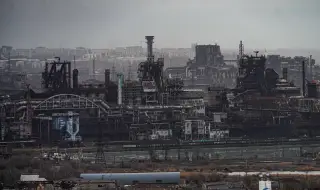
The Azovstal metallurgical plant in Mariupol remains in ruins nearly four years after the bombing, and plans for its future are part of a broader strategy of the occupation authorities to transform the region. The plant was almost completely destroyed as a result of the weeks-long siege and intensive bombing in the spring of 2022.
The industrial facilities are out of operation, and the vast territory of over 11 sq. km is strewn with debris and remains of fortifications. Although the area is under the full control of Russian forces, it remains a dangerous zone due to the presence of unexploded ordnance. The territory is mainly used for military and administrative purposes of the occupation administration. Work continues on clearing some areas, but large-scale restoration of metallurgical production is not taking place.
A large part of the fighters who defended the site are still in Russian captivity, and negotiations for their exchange remain a difficult and slow process. The Russian authorities have adopted a “Strategy for Sustainable Development of the Azov Region until 2040“, which envisages the end of heavy industry. The official intention is that “Azovstal“ will not be restored as a steel plant due to the enormous environmental damage and the degree of destruction.
The plans include transforming the territory into a technopark, a business zone or a space for recreation and tourism, combined with the construction of a memorial complex. The projects are part of efforts to fully integrate the occupied territories into the Russian system by 2030-2040. Ukraine, for its part, views the site as a symbol of resistance and plans to restore it as part of a future de-occupation, emphasizing its modernization in accordance with modern environmental standards.
At the beginning of the fifth year of the war, Mariupol remains under Russian occupation, as the city undergoes a process of large-scale but contradictory transformation.
Russia builds new housing in the city it itself destroyed
Russia is conducting an active campaign to clear ruins and build new residential areas, aiming to remove traces of the destruction and impose a Russian look on the city. Iconic buildings such as the Drama Theater, which is scheduled to reopen soon, are being renovated. Despite the new construction, the city suffers from a severe lack of drinking water and problems with utilities. A large part of the population still lives in inadequate conditions. Before the war, the city had about 450,000 people; today their number is significantly smaller, with many replaced by workers and settlers from Russia.
Education, media and administration are fully integrated into the Russian system. Propaganda trips are organized for children and Russian citizenship is required. Ukraine is developing a large-scale project Mariupol Reborn - a plan for the complete reconstruction of the city after a possible de-occupation, based on “green” technology and modern urban environment.
What is happening to Snake Island?
As of February 2026, Snake Island, which has become a symbol of the Ukrainian army's resistance to the Russian invasion in 2022, remains under full Ukrainian control, serviced by special forces of the Main Intelligence Directorate (GUR of Ukraine). The island functions as an important observation post and air defense base in the Black Sea. Although small, it allows Ukraine to control the sea lanes and limit the actions of the Russian fleet.
On the fourth anniversary of the start of the war (February 24, 2026), new materials and reports were published, recalling the legendary phrase about the Russian ship and the battle for de-occupation. The process of releasing the border guards taken prisoner on the first day of the war continues. Recently, stories of the last defenders of the garrison who returned were shared. Although it was liberated in June 2022 (a "goodwill gesture" by Russia after massive shelling), the area around the island is periodically subject to airstrikes and reconnaissance flights.