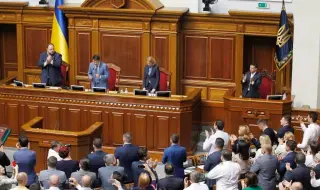
Ukraine, which is striving to join the EU, is delaying reforms while the union turns a blind eye, putting pressure behind the scenes, writes The Economist. In June, the first of six negotiating blocks (clusters) on the country's path to EU accession was opened.
This cluster, in particular, covers the rule of law, judicial reform, the fight against corruption and public administration reform. Kiev was supposed to adopt the relevant bills six months ago. Instead, the government submitted only four documents, and parliament adopted only two.
As the magazine writes, work on projects to reform the Supreme Court (former Supreme Court Chairman Vsevolod Knyazev was sentenced to five years in prison in the summer for bribery) and the Prosecutor General's Office, which has tried to limit the powers of anti-corruption bodies - the National Anti-Corruption Bureau of Ukraine and the Specialized Anti-Corruption Prosecutor's Office - is practically not progressing.
The EU is turning a blind eye to these problems, the publication notes. Judicial reform was supposed to be a key condition for continuing financial support, but on June 8, the seventh tranche of the loan, amounting to 2.8 billion euros, was released despite the lack of progress, The Economist writes.
For the European Union, openly criticizing Ukraine is a difficult task. According to a European Commission spokesman, pressure is being exerted behind the scenes. Such diplomatic restraint, however, could mean that real progress will be impossible, the publication writes.