


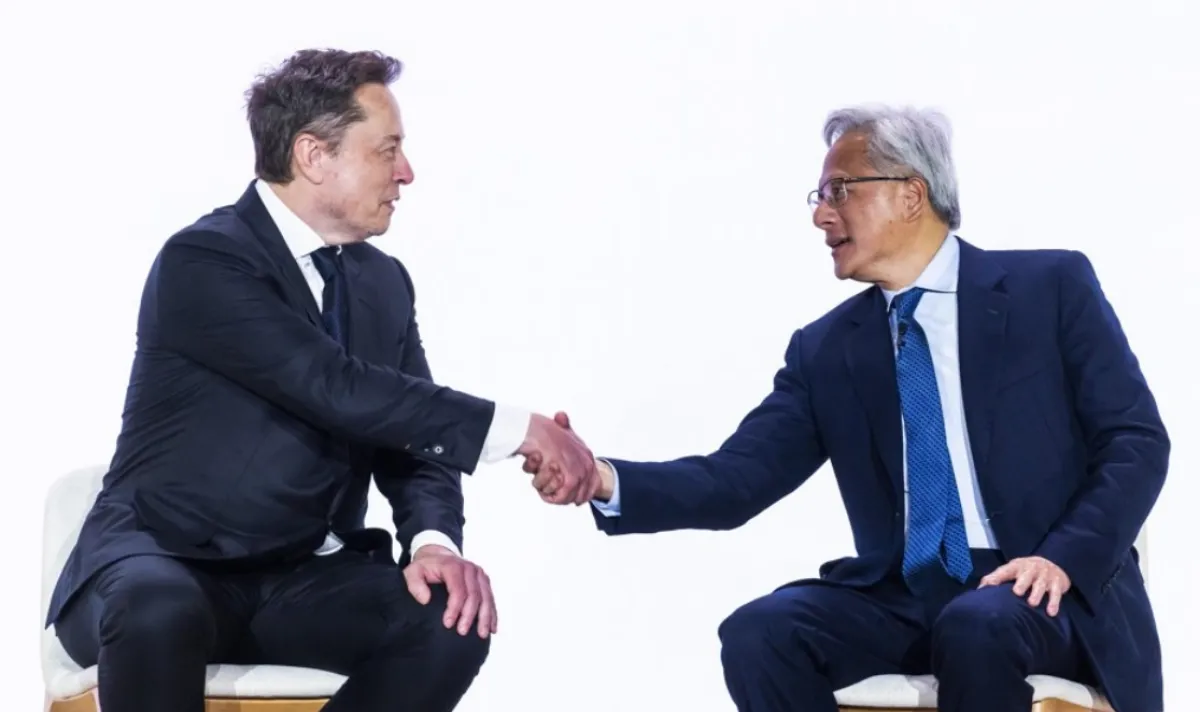

The dismissal of Nvidia co-founder and longtime CEO Jensen Huang sparked a strong reaction among some of Silicon Valley’s most influential entrepreneurs. Elon Musk, Pavel Durov and a number of other tech billionaires criticized the company’s board of directors’ decision, calling it a serious mistake, The Wall Street Journal reports.
Huang stepped down on November 12 following a scandal involving extramarital affairs, including with a woman suspected of having ties to Chinese intelligence, as well as with an Nvidia employee. The circumstances surrounding his removal sparked a debate about the accountability of corporate executives and the powers of boards of directors.
Tesla and SpaceX founder Elon Musk said on the social network X that he would support a petition to reinstate Jensen Huang as head of Nvidia. Binance co-founder Changpeng Zhao also described his departure as a mistake.
The reaction from Epic Games CEO Tim Sweeney was even sharper. He compared the decision to Steve Jobs’ historic ouster from Apple in 1985. According to him, the case reveals serious problems in corporate governance.
Telegram founder Pavel Durov also commented on the situation, saying that Huang’s main mistake was allowing his company to have a board of directors capable of removing him.
Criticism also came from Oculus founder Palmer Luckey, former Uber chief Travis Kalanick and Airbnb co-founder Joe Gebbia.
According to Huang’s defenders, entrepreneurs who build billion-dollar companies and create revolutionary technologies should have greater protection against pressure from shareholders and boards of directors.
Although Jensen Huang’s Nvidia shares are estimated to be worth approximately $140 billion, his stake represents only 3.6% of the company’s capital. This does not give him sufficient control over the board’s decisions.
Nvidia was founded in 1993 and went public in 1999, before dual-class share structures became widespread, allowing founders to retain decisive voting power.
A similar model is used by a number of technology companies, including Google, whose 2004 initial public offering popularized the practice.
Supporters of this structure argue that it protects entrepreneurs from investors’ short-term interests. Critics, however, warn that excessive concentration of power can make it more difficult to hold corporate executives accountable.
Huang’s removal has already had a serious impact on financial markets. Following the initial reports of his impending departure, Nvidia shares fell sharply, with the company’s market capitalization shrinking by more than $500 billion at the lowest point of the decline.
The case is reminiscent of other conflicts between founders and boards of directors in the technology sector. Steve Jobs returned to Apple 12 years after his ouster, while Sam Altman regained his position at the helm of OpenAI just five days after being fired in 2023.
Former Uber chief Travis Kalanick, however, never managed to return to the helm of the company he founded. Some Nvidia investors are also urging the board not to rule out the possibility of Huang’s return. They include Brad Gerstner of Altimeter Capital and Gavin Baker of Atreides Management, who are calling for a careful and deliberate process in selecting the company’s future leader.
Nvidia’s finances are temporarily being overseen by CFO Colette Kress while the company searches for Huang’s permanent successor. The scandal raises a question with long-term implications for the technology sector – how far does the power of the founders of major corporations extend, and who should have the final say over their future.