



Conflicting technologies for voting and reporting election results were adopted at first reading.
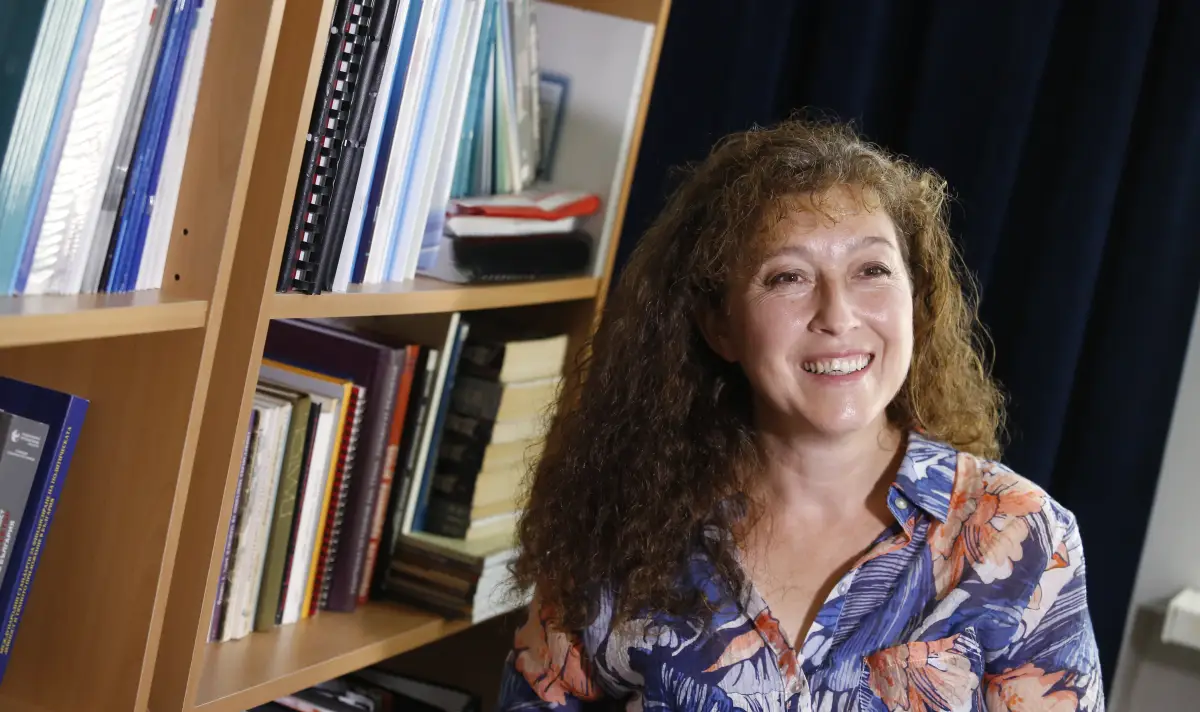
This was stated to the Bulgarian National Radio by Dr. Vanya Nusheva - a lecturer at Sofia University "St. Kliment Ohridski". In the program "Before All" she commented on the unified bill for amending and supplementing the Electoral Code. Some of the texts worried some of the most respected election experts in our country. They wrote an opinion showing what in the proposals of 5 parties, adopted by the parliament at first reading, will not work at the next vote. Vanya Nusheva is also among the signatories.
How we will vote and how the votes will be counted are among the questions that must find an adequate answer in the Electoral Code, she emphasized.
Nusheva made a note regarding the way in which the discussion began and in which various stakeholders, observers, civil society organizations and experts interested in the electoral process were included:
"Five draft laws were submitted and only after they were adopted on first reading did some attempt to structure the discussion begin. What we saw within the framework of the discussion in the legal committee 2 days ago was not an expert group – as this meeting was announced, but rather had the character of some kind of public discussion – a discussion in which opinions, assessments, proposals on already submitted bills are consulted and the opinions of different parties are heard".
According to her, such a discussion should have started before the consideration of the bills on the first reading.
"Now the representatives of the people find themselves in a situation in which very different in nature proposals have been united on the first reading – contradictory proposals – all of them are included within the framework of one common report, which must be considered on the second reading in the legal committee", she explained. The expert reminded that between the two readings, proposals detailing those already submitted can be included, but new ones in essence cannot be submitted.
According to her, however, a number of important issues are not included in these bills. And she gave an example with the topics of financing and reporting on election campaigns, deadlines for public procurement, the organization of the delivery of machines, updating their software. According to her, these are extremely tight deadlines that put the institutions preparing the election process, as well as the implementers, in a critical situation.
Even the proposals have not gone into details regarding the existing methods of voting and counting - no proposals for improvements have been submitted, Vanya Nusheva pointed out and added:
"At the same time, we see a dominant attitude to adopt new proposals - for counting centers, for scanning devices with which voting is done, with which results are counted. Regarding these new proposals - there are no details that describe the way in which counting centers function, and the requirements for scanners are not detailed. We lightly reject the idea of machine voting and counting with existing machines, but we boldly throw ourselves into including scanners - this is evident from the bills".
She warned that if the requirements for these technologies are not adequately formulated and they are introduced, we may find ourselves in a situation in which these technologies are also compromised.
According to her, an in-depth expert discussion is needed on the positives, negatives and consequences of the introduction of each of the new technologies. An assessment of what the positives would be if we focused on improving the existing SICs is also needed.
"The dialogue will have to continue in a more structured way on the key topics that are the subject of the proposals in the bills, on key topics that are not included in the bills, and from there on, the political will of those who make the decisions is the leading factor in where the general bill will develop or what new proposals will be formulated in the SIC. "We should not rush, because we may find ourselves in a situation with ill-considered, contradictory or insufficiently thorough proposals for changes in the EC," Nusheva was categorical.