Is the Bulgarian taxpayer about to pay for probably the biggest bankruptcy in the country after CorpBank? If it were a private company "Toplofikatsiya Sofia" it would have gone bankrupt and would simply not be operating today. But "Toplofikatsiya Sofia" cannot stop working.
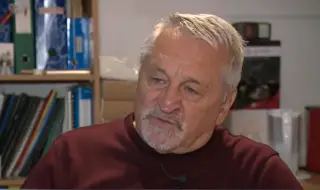
"If heat production and supply of heat energy stop, then 1900 megawatts of electricity will have to come in, be distributed to homes, to be used in another type of heating", said Ivan Hinovski on bTV.
Simply put: In order to replace heat in Sofia with electricity, another nuclear power plant is needed - Kozloduy with its two operating reactors. But the availability of electricity is not the big problem. The problem is that it can hardly be delivered through the existing network.
"It is impossible for the system to absorb it. Floor installations and block installations will start to overheat, transformer stations will start to rumble, fires in transformer stations will occur, large subscribers will be left without electricity for a long time, large parts of homes in Sofia will be left without electricity. New accidents will follow in other places. That is, the electrical network in Sofia is not calculated, it is not designed for such a large electrical power", says Hinovski.
The large-scale repair that began right at the beginning of the heating season, which will leave only one Sofia district like "Druzhba" without heating and hot water, gives an idea of the potential consequences of a larger collapse. Appliance stores are already reporting increased demand for water heaters and convectors.
"There is definitely a trend of increasing demand for water heaters and electric heaters," says a shopkeeper.
"This is a concern for all my neighbors that the electrical network will not last. The district itself has been on "Toplofikatsiya" since it was created and built. No one anticipated that so many electrical appliances would be activated at the same time. Around Christmas and New Year, there are accidents due to the load on the electricity network, and now I don't feel like thinking about it. When everyone will be forced to turn on a boiler or some kind of heating system," says Silvia Kirova, a resident of the "Druzhba" residential area.
The renovations that began in "Druzhba" right at the beginning of the heating season affect less than 10% of subscribers in Sofia. The potential problem is incomparably greater if it affects the entire city.
Bulgaria cannot afford an energy apocalypse in Sofia if Toplofikatsiya goes bankrupt. The billions in debts seem inevitable to be paid.
"And who will pay the bill - Bulgarian taxpayers, because this money will not come from anywhere outside, except from Bulgarians. It's just clear. And "Toplofikatsiya" currently has reached an extremely difficult technological and economic state. So difficult that I do not see a useful move, I do not see a way back. "Toplofikatsiya Sofia" for me is the new future Corpbank in Bulgaria. The same millstone, the same consequences will have for the state," commented Hinovski.