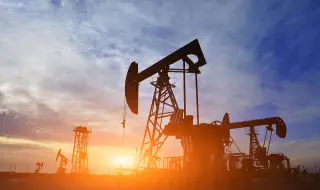
Oil prices continued to rise and reached their highest values since April 2024 amid escalating tensions in the Middle East and fears of a blockade of the Strait of Hormuz, reported DPA, Reuters and APA, quoted by BTA.
In afternoon trading on Friday, North Sea crude oil of the “Brent“ variety for delivery in May, which is a reference for Europe, traded for the first time in more than a year at a level above $90 per barrel. As of 17:45 Bulgarian time, the quotes reached $91.20 per barrel (159 liters), which is an increase of over 5 percent compared to the previous day.
Since the beginning of the attacks by the US and Israel against Iran last weekend, the price of the “Brent“ variety has increased by about 25 percent.
The main factor behind the increase in price remains the fear that the war could lead to a prolonged blockade of the Strait of Hormuz - a key route for global supplies of oil and liquefied natural gas.
Additional impetus for the increase was given by statements by US President Donald Trump, who stated on the social network “Truth Social“ (Truth Social) that it does not want to make a deal with Iran and that an “unconditional surrender“ must be reached.
Qatar warns of possible even higher prices
Qatar's Energy Minister Saad al-Kaabi said in an interview with the “Financial Times“ that all energy producers in the Persian Gulf could be forced to stop their exports within weeks.
According to him, such a scenario could lead to an increase in the price of oil to around $150 per barrel.
Al-Kaabi warned that even if the war ended immediately, Qatar would need “weeks to months“ to restore normal supply chains.
The International Energy Agency sees no need to use reserves
According to analysis of commodity experts from “Dekabank“ (Dekabank) the duration of high prices will depend mainly on the scale and duration of possible interruptions in the extraction and transportation of energy resources.
For its part, the International Energy Agency (IEA) stated that it does not see a need to release strategic oil reserves for the time being.
According to the agency, global oil reserves remain sufficient, and the conflict in the Middle East is expected to have a rather temporary effect on the market.