The European Union has approved the largest single expansion of its sanctions list against Russia since the start of the full-scale war in Ukraine. The new measures cover 1,569 individuals and entities linked to the Russian military-industrial complex.
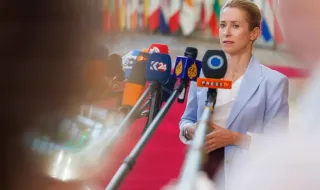
Among them are 826 companies and 743 of their managers. More than half of the entries concern the production chain of ballistic missiles, announced the EU's High Representative for Foreign Affairs and Security Policy Kaia Kalas.
„This is the largest expansion of our sanctions list since Russia started its war. "We are making it significantly more difficult, slower and more expensive for Russia to produce the weapons it is using to kill Ukrainians," said Kallas.The measures are aimed primarily at companies and executives that the EU says support Russian military production. Suppliers of electronics, communications equipment, radar and navigation systems, satellite and missile components, explosives and ammunition are affected.
The European Union says the companies are part of a list created by the Russian government that defines the companies as part of the military-industrial complex and gives them access to state subsidies. The aim of the sanctions is to limit their access to funds, technologies and services needed to produce weapons.
What the measures entail
The individuals sanctioned are subject to a travel ban to the EU and an asset freeze. Citizens and companies from the European Union are not allowed to provide funds or economic resources to the listed individuals and entities.
A separate part of the package adds 77 people whom the EU accuses of organizing, conducting or participating in illegal elections in the occupied Ukrainian territories.
The decision was taken by the foreign ministers of the member states after their representatives had already reached a preliminary agreement. Thus, the formal approval completed the procedure for adopting the new entries.
Changes to the sanctions list
The package also comes against the backdrop of the lifting of sanctions against two Russian businessmen - Alisher Usmanov and Mikhail Fridman. The decision to remove them from the list was requested by several member states.
However, the new entries significantly increase the number of individuals and companies affected by the European restrictive measures. Kaia Kallas stated that the EU should not reduce pressure on Moscow, but rather increase it.
Sources: news.bg, apnews.com