


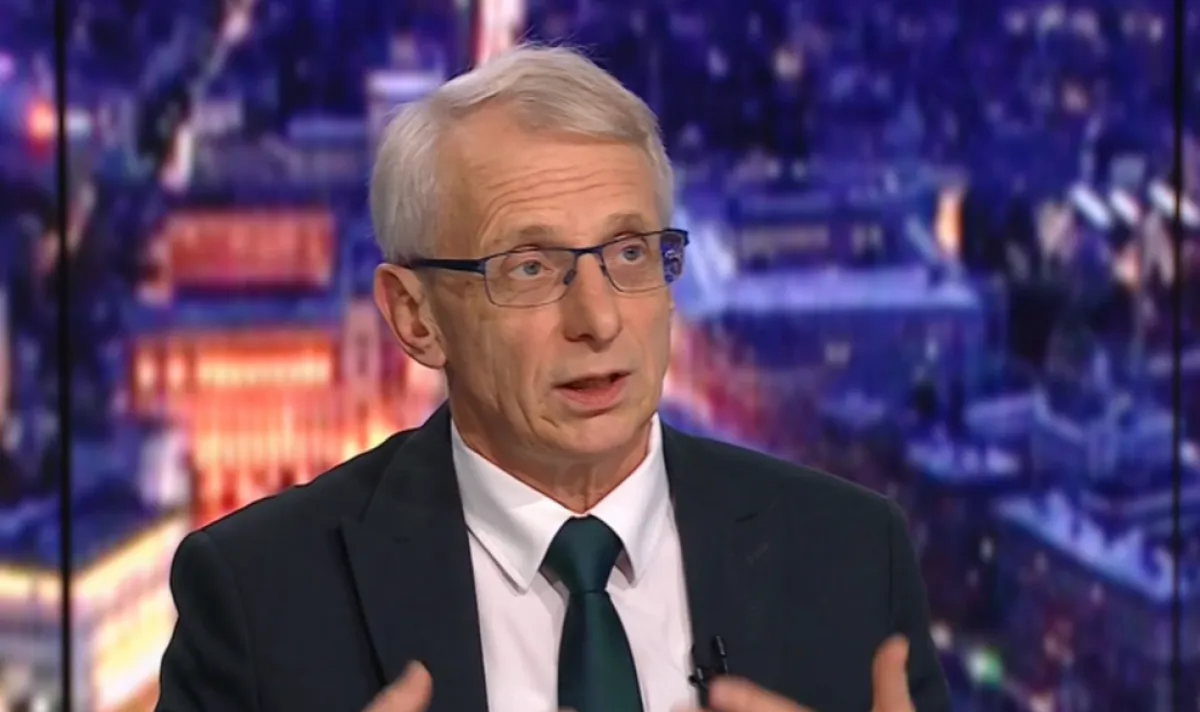

The change in Bulgaria’s credit rating outlook from positive to stable is a warning about the state of the economy, said Nikolay Denkov, chairman of the parliamentary group of “We Continue the Change”. At the same time, “Standard & Poor’s” affirmed the country’s long-term rating at BBB+ and its short-term rating at A-2.
The rating agency cited the widening budget and current account deficits as the reason for the change in the outlook. S&P forecasts growth of the Bulgarian economy of 2.8% in 2026, while Denkov warned that the policy set out in the budget could lead to a recession.
“Instead of a positive outlook for development, what they are seeing is a warning. At the moment, they are giving us a stable outlook, meaning that we are no longer moving forward, and the next step could be a downgrade in the outlook,” Denkov said.According to him, the assessments of rating agencies are among the first indicators investors monitor when deciding which country to invest in. He warned that the weaker outlook could affect decisions on new production facilities and business expansion.
Denkov identified unrealistic budget calculations as the main problem. In his view, limiting income growth below the inflation rate will shrink domestic consumption, while simultaneously increasing the tax burden and imposing large fines will send a negative signal to investors.
“A basic economic rule is this: when you reduce consumption and drive investors away, a recession follows,” the former prime minister said.He rejected the claim that the change in the outlook was related to the euro. Denkov cited Hungary and Romania as examples of countries outside the euro area with higher inflation and said that, in his view, the problem lies in economic policy, not in the common European currency.
Denkov recalled that investments under the Recovery and Resilience Plan are coming to an end this year. According to him, the government’s main task was to create conditions for attracting new investors in the coming years.
The discussion also covered the sanction imposed by the Commission for Protection of Competition on “Kaufland Bulgaria”, amounting to a total of EUR 75,653,706. The CPC identified three violations related to pressure on supply prices, deductions of fees for services, and delays in negotiations with producers. The decision may be appealed before the Administrative Court – Sofia District within 14 days.
“Kaufland Bulgaria” rejected the allegations and said it could reconsider planned investments of EUR 200 million over the next three years. Denkov questioned whether the sanction would withstand a court appeal and warned that its potential annulment or significant reduction would damage the country’s reputation.
According to him, large retail chains are important not only for the domestic market but also for exports of Bulgarian agricultural and food products.