Years ago, cyberscams seemed easy to recognize - emails with poor translation, dubious links and promises of easy profits. Today, this is no longer the case.
Fraudsters don't attack our computers - they attack our trust. They pose as our children, parents, friends, colleagues, bank employees or couriers. They write in perfect Bulgarian, use real photos, copied profiles on social networks, and increasingly, artificial intelligence that can imitate a human voice and behavior.
Just one message: "My phone is broken, write to me here", one call from the "bank" or a seemingly harmless request for help can cost savings, personal data, and sometimes the peace of mind of entire families.
Because the most dangerous scams no longer rely on technical tricks, but on emotions - fear, sympathy, trust and a sense of urgency.
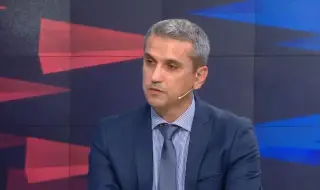
Growth of cybercrimes - what are the most common scams? Vladimir Dimitrov, Director of the "Cybercrime" Directorate at the General Directorate for the Prevention of Crime and Corruption, answers.
„A huge part of cybercrimes is committed by organized criminal groups that have specialized in this. With the move of our lives to the digital space, this also leads to cybercrimes. Victims of cybercrime range from children to adults and people from all professions,” the expert explained.
Cybercriminals target human weaknesses - loneliness, seeking closeness, quick profit, etc., he specified. "Every day we have cases of victims of investment fraud. The lowest amounts in these frauds vary from 10,000 euros to 100,000 euros, victims even take out loans to invest them. We receive information on where the money went, most often it is "straw men" or mules," it became clear from Dimitrov's words.