


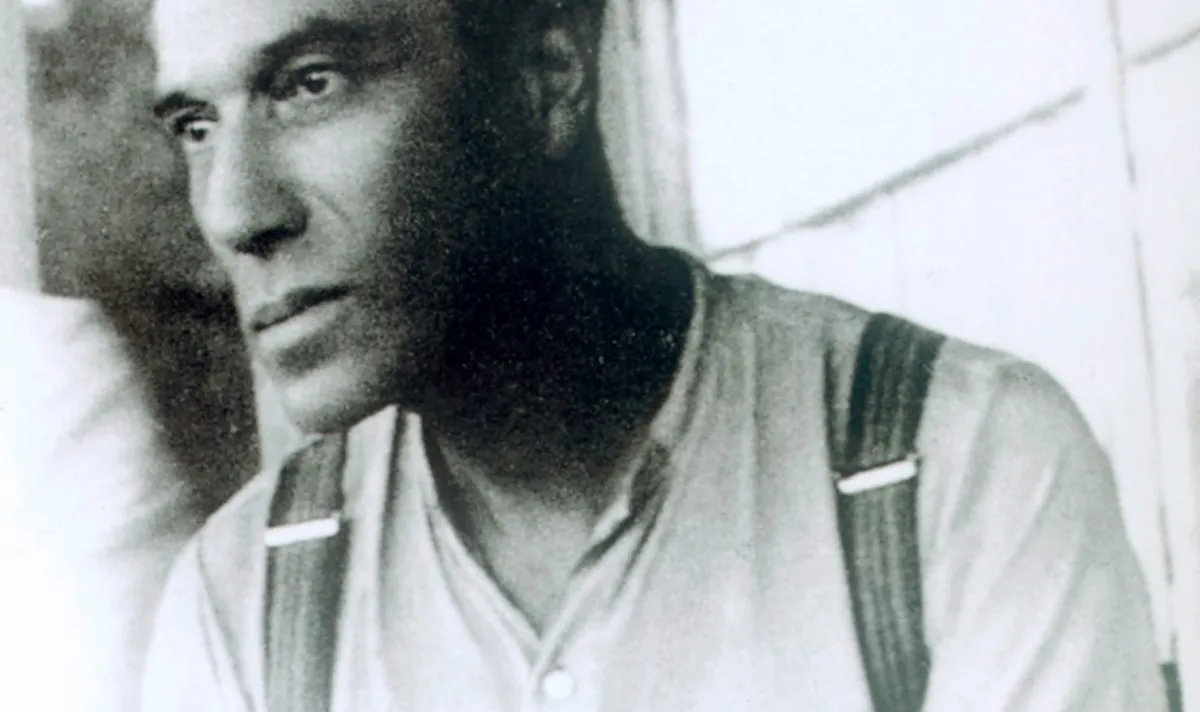

In November 1957, Boris Pasternak’s novel “Doctor Zhivago” was published in Milan. The book was published in Italian by Feltrinelli and became the first complete edition of the novel in the world. Subsequently, various sources have cited different specific dates in November for the release of the first edition, but the place, year and publisher are beyond dispute.
The novel follows the fate of the doctor and poet Yuri Zhivago against the backdrop of the revolution and civil war in Russia. The text places personal life, love and moral choice at the centre of events that official Soviet literature presented primarily through the ideological framework of the revolution.
The Manuscript Leaves the Soviet Union
Pasternak handed the manuscript to the Italian publisher Giangiacomo Feltrinelli after Soviet literary circles refused to publish the novel. The book was taken to the West and published despite attempts by the Soviet authorities to prevent its release. Following its publication, a political campaign was launched against the writer, and the novel was declared incompatible with the official cultural line.
The pressure on Pasternak intensified in 1958, when he was awarded the Nobel Prize in Literature. The Nobel Academy cited as the grounds for the award “his significant achievements both in contemporary lyrical poetry and in the field of the great Russian epic tradition.” Thus, the distinction was linked to his body of work as a whole, rather than solely to “Doctor Zhivago.”
Pasternak initially accepted the award, but following the fierce reaction from the Soviet authorities, he was forced to decline it. In a telegram to the Swedish Academy, he wrote:
“Considering the significance that this award has acquired in the society to which I belong, I must reject this undeserved distinction.”The Nobel ceremony for him did not take place, and Pasternak was expelled from the Union of Soviet Writers.
The Official Edition in the USSR Arrives Three Decades Later
In the Soviet Union, “Doctor Zhivago” did not appear until 1988. The novel was published in instalments in the literary magazine “Novy Mir” during the policy of glasnost associated with Mikhail Gorbachev. The first complete instalment appeared in January of the same year, and the subsequent instalments were prepared for a series of issues.
Boris Pasternak died in 1960 without seeing his novel officially published in his homeland. “Doctor Zhivago” remains one of the best-known works to have turned a literary book into a symbol of the clash between creative freedom and state censorship.
Sources: bfi.org.uk, theguardian.com, latimes.com