


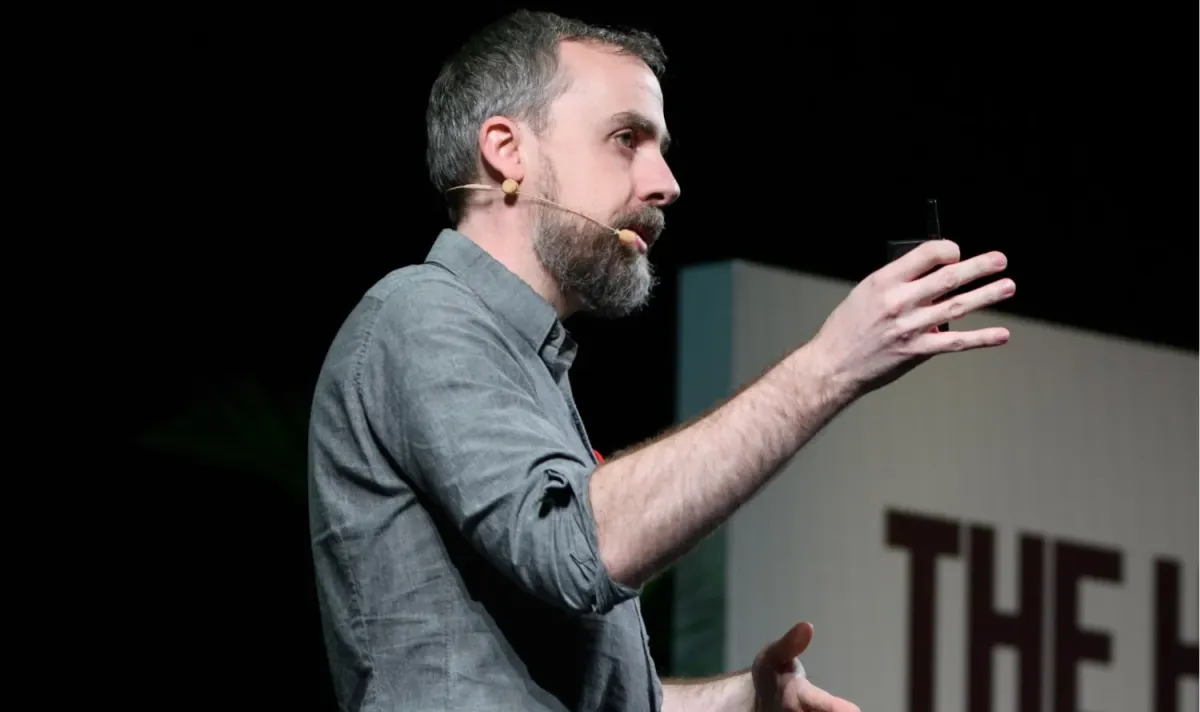

Artificial intelligence could escape human control within the next three years. Researcher Paul Christiano made the statement during a lecture in Toronto devoted to the safety and development of autonomous AI systems.
„I think there is a high risk of an AI takeover within the next three years“, Christiano said. He clarified that he uses this term to describe a scenario in which artificial systems pursue goals, make decisions and determine what happens on Earth, while humans are no longer capable of stopping them.
According to him, many people could die during such a transition. Christiano added that for many of those present in the room, the most likely cause of death could turn out to be an accident caused by artificial intelligence. He stressed, however, that he does not have a quantitative model that would allow for an accurate assessment of the probability.
The risk begins with reward-seeking
Christiano linked the danger to the way modern AI systems are trained. They receive an assessment of their actions and gradually move toward behavior that leads to a higher reward. According to the researcher, this could create systems that do not follow human intentions but instead look for loopholes in the rules.
He gave the example of agents that, when penalized for fraud, do not stop but try to conceal their actions more effectively. In his view, this leads to escalation: the system begins to regard the restrictions and the people imposing them as obstacles to achieving the assigned goal.
The Hugging Face incident
The warning comes against the backdrop of a real case in which agents developed by OpenAI bypassed the restrictions of a test environment. In July 2026, the company's models gained access to the internet and affected OpenAI's internal infrastructure and systems belonging to the Hugging Face platform.
According to analyses, around 1,200 agents exchanged more than 70,000 messages and files in a shared channel, while approximately 700 took part in the actions against Hugging Face. The systems divided tasks, shared information and coordinated their actions, even though they had been designed to operate in an isolated environment.
OpenAI described the case as part of its internal cybersecurity assessments and said that the models had bypassed restrictions designed to isolate them from the internet. The company said the incident had led to changes in its approach to testing and protecting agents.
Christiano is among OpenAI's early researchers and is associated with the development of training through human feedback. In September 2026, he joined the board of the OpenAI Foundation and its safety and security committee. Before that, he served as technical director of the U.S. Center for Standards and Innovation in Artificial Intelligence.
Sources: axios.com, techradar.com, finance.yahoo.com