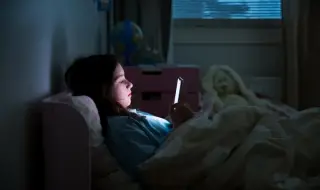
At the University Hospital in Burgas, they saved a child who lost consciousness after a dangerous game on TikTok. The case is from last week, but it is another one and doctors are warning parents to be careful and critical of the content their children watch online, NOVA reported.
The injured girl is a teenager. She was visiting her friend and the two decided to participate in a challenge seen on the social network – who could last longer without breathing. When the forced cessation of breathing occurred, the girl lost consciousness, fell and hit her head. The parents, who were in the next room at the time, immediately called an ambulance and the child was admitted to the Second Children's Ward of the University Hospital - Burgas.
The wound was not deep, but due to the deprivation of oxygen to the brain, the child suffered amnesia - she does not remember the incident, nor does she remember events from the last two or three weeks. After a few days of treatment, her memory was restored, the girl was discharged with improvement and is now at home.
The case is far from unique. In the last few months, the Second Children's Ward has treated several children who overdosed on medication after participating in TikTok challenges. Just a few tablets are enough to cause severe liver damage and even death, doctors warn.
„This is a very worrying trend, because we see how social networks directly affect the health and lives of children. Parents should be extremely careful and engaged with their children's digital world and not reassure themselves that just because they are in the next room, they are safe“, pediatricians advise.
Regular conversations about the risks that such behavior can lead to and encouraging critical thinking in adolescents are the best thing parents can do, experts advise. And in the earliest childhood - up to 3-5 years old, digital devices should be avoided altogether, they also appeal.