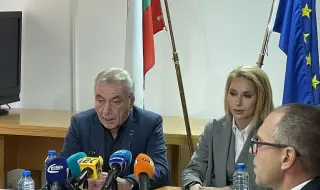
CPC and CPC join forces against unfair trade practices, cartels, and unjustified price increases before and after the adoption of the euro in our country. This became clear during a joint working meeting of the two regulators, BNT reports.
The state is joining forces and mobilizing the full power of its regulatory bodies in order to curb possible price speculation before and after the adoption of the euro, with today's meeting between the CPC and CPC being the first step. The heads of the two regulators assured that inspections are beginning. Sectoral analyses will be carried out on the areas most at risk of price increases, such as mobile operators, fuels, supply chains, food chains, and the supply of medicines.
Rosen Karadimov - Chairman of the CPC: "Inspections will begin for concerted practices, prohibited concerted practices, prohibited agreements, and dominant positions. Particular attention will be paid to Chapter 7B of the Competition Protection Act, special panels regarding supply and the food chain. This functionality of the CPC aims to prevent prohibited agreements and the resulting price increases.
Maria Filipova - Chairperson of the CPC: "I want to tell people that every experienced economic entity on our territory, in the homeland, who tries to carry out speculative price increases, an unsound commercial practice, will automatically be terminated with this coercive administrative measure and what's more - not only will it be terminated, but separately from that, the commercial entity will be obliged to compensate for the damage it has caused to every single person.
The two regulators will also issue contact groups to develop changes to the current legislation that will enable the CPC and the CPC to carry out joint inspections, since the administrative capacity and human resources of the two regulators are insufficient to cover the diversity of tasks and challenges before the adoption of the single European currency and in the first months after the transition to the euro.