


Every spring, exactly eight days before Easter, one of the most beautiful and symbolic holidays in the Orthodox calendar comes to life in Bulgarian homes and villages - Lazarovden. This is a day when folk tradition and Christian faith intertwine in a unique way to celebrate life, health and the transition from girl to woman. For many, this day brings memories of wreaths of willow branches, songs in the courtyards and smiling girls dressed in their most beautiful costumes.
But what are the traditions, beliefs and meaning of Lazarovden?
Lazarovden is always celebrated on Saturday, eight days before the Resurrection of Christ. The holiday is dedicated to the resurrection of Lazarus, a close friend of Jesus Christ, whom the Savior resurrected four days after his death - a miracle that foreshadowed the Resurrection itself. In the Christian tradition, this act is a symbol of victory over death and eternal life.
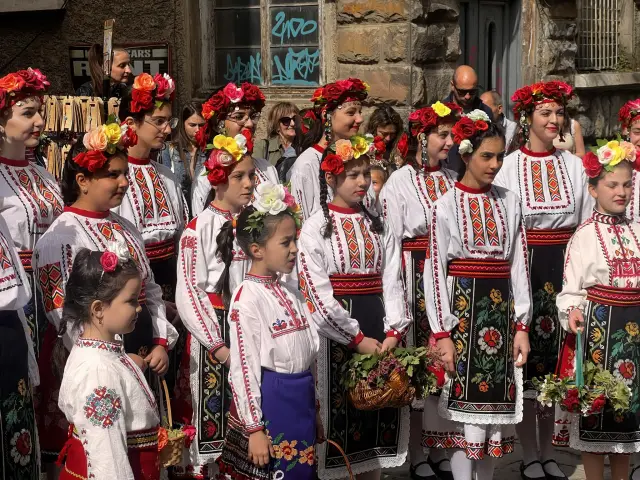
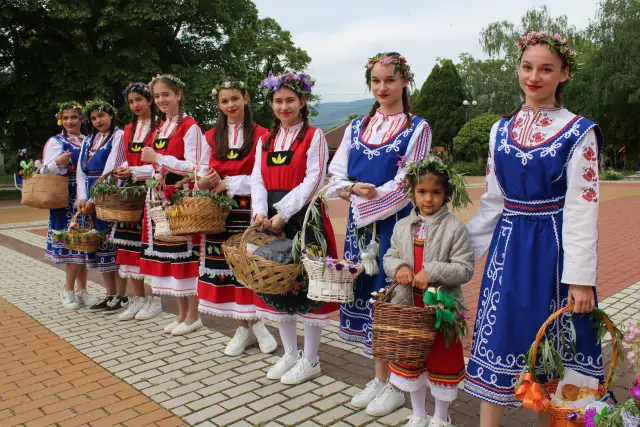
The most characteristic custom associated with the holiday is lazaruvation - a rite with deep roots in Bulgarian folklore. Only young girls, usually between 12 and 16 years old, who are called lazarki, participate. Dressed in traditional costumes and with wreaths on their heads, they go around the houses, sing ritual songs and bless the owners for health, fertility and luck.
The girls enter every home, sing songs for the hostess, the owner, the young men and even the children. In return, they receive eggs, flour, money or fruit - gifts that they then use to prepare a festive table or to paint Easter eggs.
It is important to know that in the past only a girl who had been lazaroved could get married - this was a kind of rite of “social inclusion“ to the female world.
How do they celebrate Lazarovden in different regions of Bulgaria?
In different parts of Bulgaria, lazaruvane has its own specifics:
-
In Shopluka and Western Bulgaria, lazaruvane sometimes carry baskets decorated with fresh flowers and willow branches, with which they bless the house.
-
In the Rhodope Mountains, lazaruvane songs are accompanied by drums, and the clothes are more modest, but just as colorful.
-
In Northern Bulgaria, lazaruvane often ends with the so-called „kumichene“ – a ritual in which girls release wreaths into a river or stream. Whoever's wreath comes out first will be the „kumata“ – the chosen one who will marry first.
Folk beliefs and symbolism
Lazarovden is loaded with numerous folk beliefs, some of which have survived to this day:
-
It is believed that if the weather is good on Lazarovden, the year will be fruitful.
-
Girls who make lazarut will enjoy health and a happy marriage.
-
It is believed that whoever gives a gift to lazarut will have luck and prosperity in their home.
-
The holiday is closely related to the next day – Palm Sunday, when the solemn entry of Jesus into Jerusalem is celebrated and willow branches are consecrated.
A modern reading of Lazarovden
Although nowadays the custom is practiced less often in urban environments, in many villages and schools the tradition is revived every year, thanks to the efforts of local community centers, folklore groups and folk arts teachers. More and more people are rediscovering the beauty and value of these customs, which not only preserve the Bulgarian identity, but also foster a love for the roots.
Lazarovden is a holiday that reminds us that tradition is a living heritage – passed down from generation to generation, in songs, in flowers, in smiles. It is a day when youth and hope visit homes, bless with warm words and bring a message of a new beginning, of health and life.
And as the Lazar women themselves sing: „May you be alive, may you be healthy, let's come again next year!“