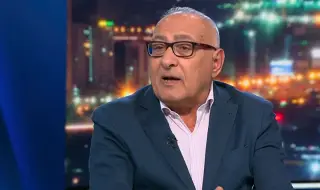
Journalist Mohamed Khalaf commented in the Interview on NOVA News“ the complex situation in the Middle East hours after the ceasefire between Israel and "Hamas" came into effect.
Despite the exchange of hostages and prisoners, according to him, the war is far from over – and the Gaza territory remains in a state of deep uncertainty.
„Israel will not withdraw completely from Gaza. It will retain control over certain areas to monitor the implementation of the agreement and whether "Hamas" will comply with its commitments“, Khalaf said.
According to him, the third stage of the agreed ceasefire – handing over control to a transitional Palestinian government – will be the most decisive, but also the most problematic.
„Hamas– will maneuver – will try to avoid complete disarmament. They have already announced that they will keep their small arms, but the question is – against whom will they use them?“, Khalaf asked.
The analyst pointed out that the upcoming Palestinian elections will be a test for the future of the region. „Gaza must be included in them, but if "Hamas" remains in power there, it will become an isolated enclave“, Khalaf warns.
Khalaf stressed that the United States – and Donald Trump personally, have not abandoned the ambitious plan for the Riviera, which includes the construction of infrastructure, industrial zones, an international airport and a port. "This is all part of the vision for a future Palestinian state, an opportunity that the Trump administration sees as a matter not only of peace but also of prestige," Khalaf said.
Khalaf said Israeli Prime Minister Benjamin Netanyahu had declined to travel to Sharm el-Sheikh to avoid meeting Arab leaders who have openly accused Israel of atrocities during the conflict.
"The real question is: when will this success translate into lasting peace?" Khalaf said, concluding with a prediction that only combined diplomatic efforts, including from the United States, Russia and Arab states, could lead to the creation of two separate states and long-term stability in the region.