



The alternative-powered vehicle sector is undergoing a fundamental technological change, strongly driven by the ruthless competition in the Chinese market and rising fuel prices. Once dismissed as an uncomfortable compromise between internal combustion engines and full electrification, plug-in hybrids and extended-range electric vehicles today boast battery capacities and zero-emission ranges that rival those of pure electric cars from just a few years ago. While 100 kilometers of battery range was once considered the absolute ceiling for a high-performance hybrid, today’s flagship models are breaking records with pure electric ranges in WLTP ranging from 200 kilometers all the way up to an astonishing 350 kilometers.
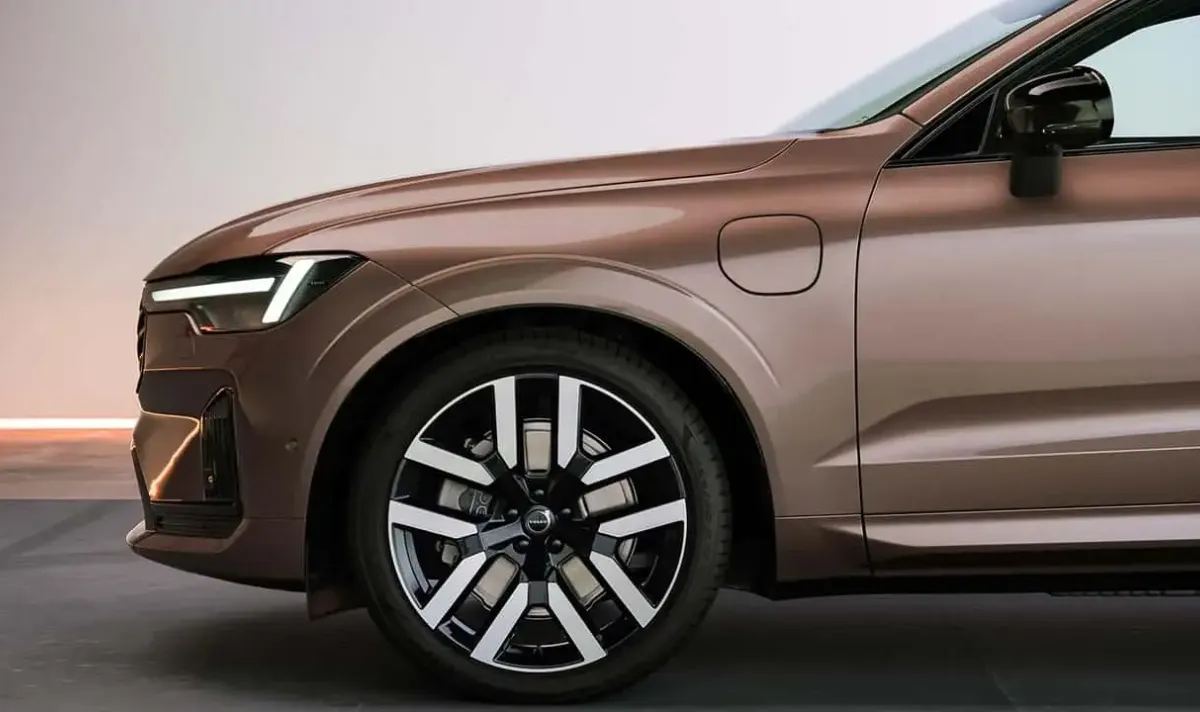
At the top of this chart is the Lotus Eletre X, an extended-range SUV equipped with a 70 kWh battery that provides up to 350 kilometers of electric-only travel. While premium giants like Lotus require significant investment, the broader democratization of the market is being driven by affordable alternatives like the Xpeng L03 Power X, proving that hyper-extended battery range figures are rapidly developing in the more mainstream price segments. Meanwhile, the traditional European giants are fiercely defending their positions, best exemplified by the updated versions of the Volvo XC60 Long Range, which now achieve up to 200 kilometers of electric-only range thanks to energy cells integrated into the floor.
This evolution highlights a fundamental shift in the philosophy of powertrains, especially with the spread of extended-range electric vehicles, in which internal combustion engines serve exclusively as on-board generators, rather than directly driving the wheels. As manufacturers in Europe and Asia race to attract consumers seeking relief from fluctuating fuel prices without worrying about long-distance driving, the latest generation of long-range hybrids offers a compelling compromise. You can also see a detailed ranking of the plug-in hybrids with the longest range in the table below.