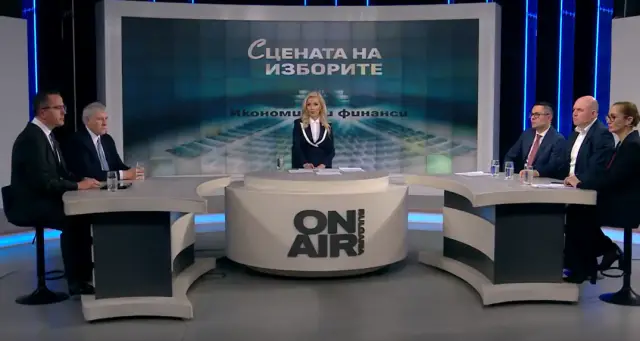
Inflation is not a natural disaster, so let's talk about it falling. In order for more money to remain in the citizens, there are measures that the state must take. This is the main thing that is also included in our program - returning the state to basic sectors, caring for people, for small and medium-sized businesses. This was said by the leader of "BSP-United Left" in the 28th MIR in Targovishte Gergana Aleksova during the first of the four pre-election debates - "Incomes and Inflation" on Bulgaria ON AIR in the program "Denyat ON AIR".
According to her, the most important thing that the state can currently regulate, and through its special manager at "Lukoil", is the price of fuel.
"Lower fuel prices, lower food prices. Income policy should not be forgotten", she insisted.
According to the PP-DB candidate, second in the 29th MIR in Haskovo and 4th on the list in Plovdiv Vladislav Panev, incomes in Bulgaria can increase with the increase in the competitiveness of the economy.
"Incomes through an increase in the salaries of state officials means a larger deficit. And the deficit and larger state debts mean higher inflation," Panev told Bulgaria ON AIR.
The main priority of "Progressive Bulgaria" is a strong social state with a strong economy, emphasized the leader of the "Progressive Bulgaria" list in the 27th and MIR in Stara Zagora Alexander Pulev.
"All measures that hit business and support the helicopter distribution of funds, the artificial inflating of social spending - fuel inflation. GERB-SDF supported a budget that was a blow to business. PP-DB was the first to start this pro-inflationary policy. BSP, "Vazrazhdane" are looking at indiscriminate increases in social spending. We have developed measures," commented Pulev.
According to the leader of the "Vazrazhdane" list in the 23rd MIR in Sofia and the second in Burgas Tsoncho Ganev the first measure that must be taken is to begin negotiations for exit from the Eurozone.
"Second - renegotiation of two of the main chapters for our membership in the EU - agriculture and energy. The priority is lifting the sanctions against the Russian Federation", Ganev specified.
Inflation is not only a Bulgarian phenomenon, pointed out the leader of the GERB-SDF list in the 12th MIR Montana Rumen Hristov.
"The only way to increase incomes is to increase economic growth. Let's seek consensus to increase GDP," said Hristov.
Measures against high fuel prices
"We propose that the state use the tools it has to influence prices, a ceiling on the fuel surcharge and a package of measures. The state should stand by the people," said Aleksova during the debate.
According to Panev, the state should monitor the market: "At first, it is important that the intervention be in terms of the use of public transport".
Pulev reminded of the examples in other countries: "In Bulgaria, we must clearly define social support to be directed at the most vulnerable people in households and businesses".
Ganev is of the opinion that European countries have been basing their prosperity for 45 years solely on cheap Russian gas and oil.
"If we don't return to this, we are doomed," Ganev believes.
Hristov stated that drastic state intervention is not preferable: "Aids should be targeted only to those who have need".
Should the state interfere in food and services
"The state cannot be an observer, agricultural producers must also be supported", insisted Aleksova.
"Measures are needed for greenhouse vegetable production", added Panev.
Pulev emphasized that the role of the state should be to work towards building an effective environment for business.
Ganev pointed out that when there are expensive gas supplies, production is expensive - "then there is 80% import of food goods and this leads to dependence".
The state must be an observer, a regulator and create conditions for business development, Hristov specified.