


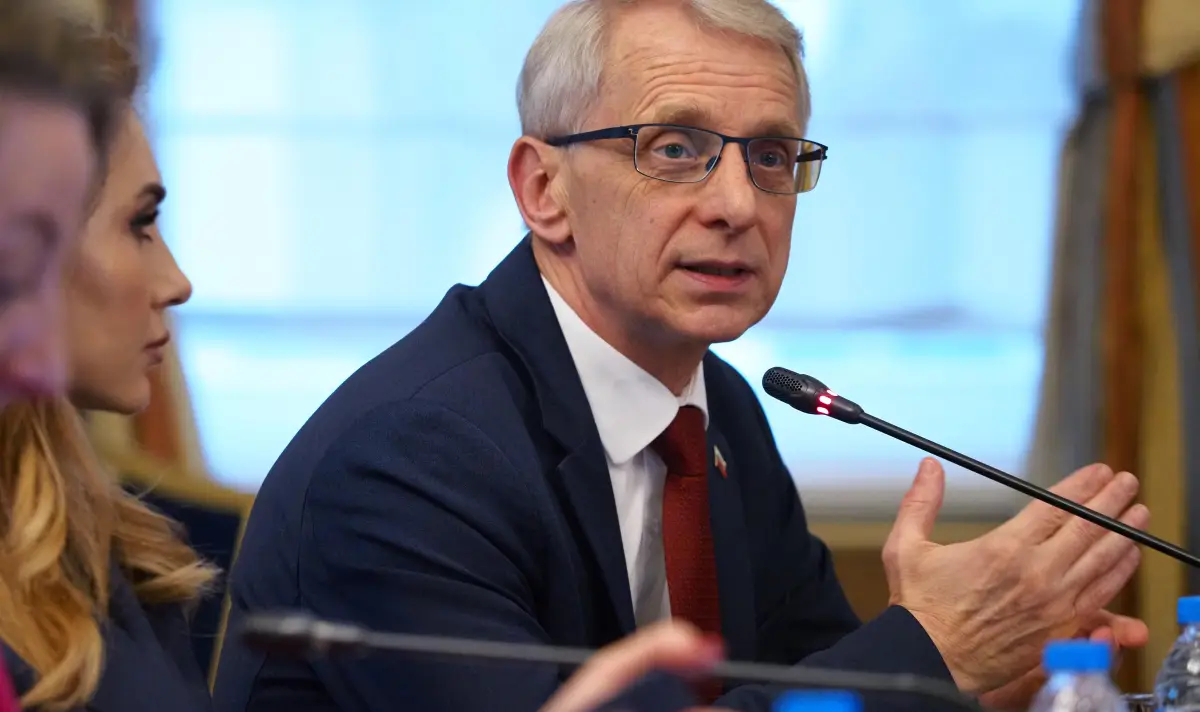

We have not exactly parted ways with the DB, said to the Bulgarian National Radio Academician Nikolay Denkov - Deputy Chairman of "We Continue the Change".
"We proposed an agreement for a parliamentary union, we have a common process with which we will nominate one candidate for president, we have many things that we do and will do together. But we have differences in economic policy, we have differences in the approach to social problems in Bulgaria, to the working poor, to pensioners below the poverty line - these are differences that are significant. While we are arguing internally whether we should support one thing or another, time passes and the initiative is taken by other parties. We want it to be clear - we will work together, we have common goals, but we also have differences and they must become clear to people and we must seek support from different communities", he explained in an interview for the program "Nedelya 150".
The whole situation at the moment is aimed solely and exclusively at the future, emphasized Academician Denkov and added that any attempts to explain it with some personal squabbles - have nothing to do with the truth.
"This model has obviously run out, because we have not been able to solve the problem of how to bring justice to Bulgaria, how Borisov and Peevski as bearers of the model of the conquered state, of the oligarchy, of the mafia state - we could not remove them. We were not able to adequately respond to the people's expectations in this direction," the deputy chairman of the PP specified.
He reminded that without a majority, there was no way they could carry out judicial reform:
"There were great expectations, but we were not able to get a majority. We always had to make compromises, coalitions, and the result of this was that this part of our program remained unfulfilled. Radev promised to do it and received greater trust from the people. We were not able to convince the people that together with the DB, the previous format, we would be the bearers of this change. They voted Radev's trust for this part. From now on, we must prepare for the next stage".
"Whether we would split up or not depended on the outcome of these elections," Nikolay Denkov noted. The coalition increased its support in the elections by about 60 thousand people, but this is extremely insufficient if you want to govern the country, he specified and emphasized that if they had been the first or second political force after the elections, the split probably would not have happened.
"Given that we raised the protests, organized them, managed to explain to people why this Zhelyazkov government must fall, why this budget cannot be adopted in the proposed form, but we were unable to convince these same people that we can also make changes in the judiciary, and provide them with higher incomes and support where it is difficult - another political entity - Radev - managed to do this".
According to him, a way must be found to expand support among different people.
"Politics is not about intra-party squabbles, politics is not about who said what. Politics consists of what bills are passed, what the government does and what decisions it makes, how these decisions and votes affect people's lives", he was categorical. And he explained what his party is demanding:
"We do not want tax increases, we want support for business, but we also do not agree with increasing inequality, because increasing inequality leads to the fact that a large part of people cannot cope with the life that is coming. There can be no working poor in the 21st century".
It is precisely on solving this problem that they have differences with the Democratic Party:
"The right way is for them to propose what they consider to be their policies, we - ours, and wherever there is overlap, we will vote together".
If the Democratic Party starts to cross the boundaries that the government of Rosen Zhelyazkov crossed, we can certainly get the people on their feet, declares Academician Denkov.
"If the Democratic Party recognizes our policies that we have been proposing for years, of course we will vote for the policies that we have proposed. There is nothing wrong with that, but this does not mean that we will participate in their governance. They currently have to meet many expectations. This is their real problem today, because they bear all the responsibility for what will happen with the new budget, with the election of the Supreme Judicial Council, and they cannot justify themselves to anyone.
PP and DB are monolithic on the topic of the Supreme Judicial Council and judicial reform:
"We have no differences regarding how the election of a new Supreme Judicial Council should be carried out and what the requirements for candidates should be. Neither the DB, nor we, nor I hope the PB, want to replace some dependents with other dependents. If the approach is correct, we will get involved".
For the PP, it is important that the requirements of the Budget Law are met, the deputy chairman of the party also said. In his words, it is important which policies are a priority.
"The PB has the right to set its priorities. We will insist on those who we have said are important to us".
According to him, there must be urgent and comparatively large support regarding the fuel and fertilizer crisis:
"This crisis is expected to be greater than the one in 2022. Currently, the global supply of oil is limited by 25%, and from there this is transferred to the prices of everything".
He warned that if all this is not controlled as quickly as possible, companies will be blocked and we will fall into the situation of 2009. Everything will slow down, inflation will soar and there will be no increase in income, Denkov explained.
According to him, it is very important that socially vulnerable groups are supported, as well as that small and medium-sized businesses are supported by raising the VAT threshold. There are also proposals to support families and students.
"These things are not expensive, but they change the entire environment in which families raise their children".
Acad. Nikolay Denkov expects the PB to support these proposals:
"We cannot be progressive if we refuse to accept such basic things".
"Everything that corresponds to our priorities and goals, we will vote for, no matter who proposed it," the MP was categorical.