


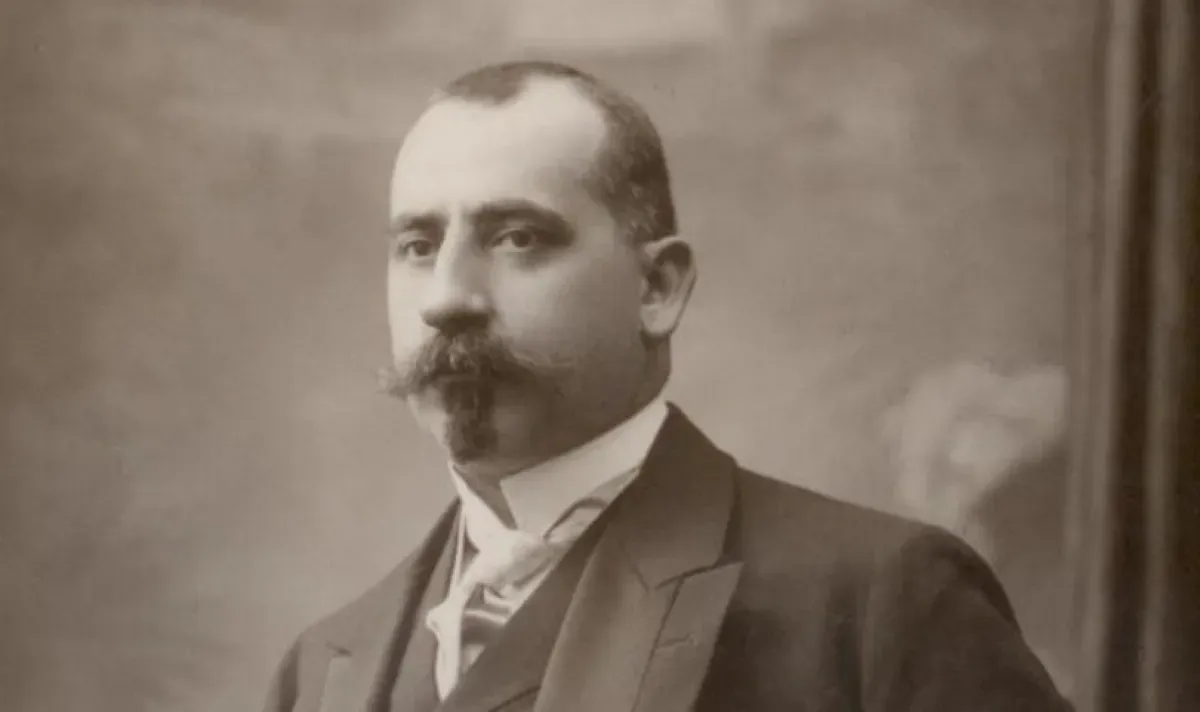

After the wars and prolonged financial instability, Bulgaria sought international support to strengthen the lev. In 1928, the government of Andrey Lyapchev secured a stabilization loan under the auspices of the League of Nations, whose total value is usually cited as £5 million.
The main protocol was signed in Geneva on March 10, 1928. Initially, it provided for an effective amount of up to £4.5 million. Following the devastating earthquakes in southern Bulgaria on April 14, 18 and 25 of the same year, the Bulgarian government called for additional funds for reconstruction. Thus, the loan was increased by a further £500,000.
Issues in Three Financial Centers
The loan was placed on international markets in three separate blocks. In London, bonds worth £1.8 million were issued on November 23, 1928. In Paris, a block worth 130 million francs was offered on November 21, while in New York, an issue worth $13 million was launched on December 3. According to a report by the financial authorities of the League of Nations, these issues yielded slightly more than £5 million.
At the time, a question was raised in the British Parliament as to whether London was guaranteeing part of the loan. The answer from the Secretary of State for Foreign Affairs, Locker-Lampson, was: “There is no question of committing British credit.” According to him, the loan was being raised by the Bulgarian government under the supervision of the League of Nations, rather than through a direct guarantee from the British state.
What the Funds Were Intended For
The plan allocated £1.5 million to the Bulgarian National Bank, £500,000 to the Bulgarian Agricultural Bank and £150,000 to the Central Cooperative Bank. Another £1.1 million was earmarked to cover budget arrears, while £1.25 million was directed toward improving the transport and communications network. A total of £500,000 was set aside to repair earthquake damage.
The earthquakes of April 1928 caused severe damage in the areas around Chirpan, Plovdiv and present-day Parvomay. Numerous buildings were destroyed, railway lines were damaged and thousands of families were left homeless. The tremors on April 14 and 18 were the strongest in the series, while the third major quake, on April 25, further complicated the reconstruction effort.
Reform of the Lev
The loan was tied to financial and institutional changes. On November 22, 1928, the law on the stabilization of the lev and coin circulation was adopted, introducing the gold lev at a fixed rate of 92 leva per gram of pure gold. The Bulgarian National Bank was given a more independent role, while the state undertook to maintain budgetary discipline and secure the servicing of its foreign debt with designated state revenues.
Documents of the League of Nations show that the loan combined two objectives: stabilizing the monetary system and financing immediate recovery after the disaster. That is why the initially planned £4.5 million was increased to the amount by which the loan would remain known in Bulgarian history — £5 million.
Sources: bta.bg, marica.bg, hansard.parliament.uk