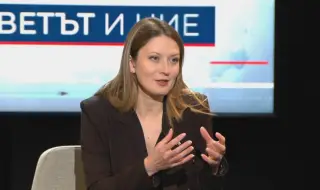
BSP MEP Tsvetelina Penkova commented on current topics in the program “The World and Us“ on BNT. Joining in directly from Strasbourg, Penkova analyzed the impact of the conflicts in the Middle East on energy markets, the EU's industrial policy and the prospects for Bulgaria in the context of the eurozone.
Penkova pointed out that although the European Union is not directly dependent on Iran for supplies of energy raw materials, any global shock inevitably affects the Union's economy. “Interruption of supplies through the Strait of Hormuz would have a negative impact not only on energy prices, but also on global economic stability,“ Penkova noted.
At the same time, she emphasized the need for diplomatic efforts. “The European Union must use its influence as a mediator to help find a diplomatic solution. This is also a reminder of how important Bulgaria's role is in building partnerships with countries close to us such as Azerbaijan, Turkey and Egypt,“ the MEP explained, underlining the geopolitical importance of these regions for energy security.
Penkova explained the importance of the Clean Industrial Deal, which is the next economic stage of the Green Deal. “The upcoming legislative proposals are a step forward towards building high-tech industries and creating new, high-paying jobs in Bulgaria and throughout the Union,“ she said.
A key element in this transition is nuclear energy, Penkova believes. “Nuclear energy is not just an alternative, but a necessity to ensure long-term sustainability, stability and predictability in energy. We cannot rely solely on renewable energy sources. Baseload power capacities are an unavoidable factor - the cases of power outages in Spain and Portugal have once again reminded us of this undeniable fact.“, the MEP emphasized, adding that Bulgaria can become a significant factor in this sector.
Penkova expressed confidence that Bulgaria has unique opportunities to establish itself as an energy and industrial leader. “Bulgaria's strategic location is key in the development of the pan-European interconnected electricity transmission network. This is a chance for our country to consolidate its place as an energy leader, not only in the Balkans, but also throughout Europe“, she said.
At the same time, the MEP emphasized that achieving this potential depends on investments in the modernization of infrastructure and the construction of new energy capacities. „This is an opportunity that we should not miss!“
Penkova also commented on the proposal to extend the deadline for the implementation of the national recovery and resilience plans by 18 months. „There are serious administrative and political obstacles that have led to delays in the implementation of key projects in Bulgaria and other European countries. This extension is our chance to catch up and absorb the full volume of allocated funds“, she explained.
Penkova stressed the importance of these funds for promoting regional development, modernization and digitalization. „This flexibility will help our country implement projects that can improve the economic environment and people's lives in the long term“.
The topic of Bulgaria's integration into the eurozone was a key focus of the interview. Penkova defined the upcoming introduction of the euro as an opportunity for the country. „The euro is a symbol of stability and trust. Currently, the euro is the most stable and liquid currency in the world. The dynamic and unpredictable trade policy of the United States arouses distrust in the US dollar. “, she said.
The MEP emphasized that the eurozone will encourage foreign investment and contribute to the creation of new industries and jobs. „I am convinced that the stability and trust that the single currency offers will make Bulgaria an even more attractive place for investment. All data indicate that the purchasing power of citizens in the countries that have adopted the euro is increasing significantly“ .
Penkova also emphasized the need for strict control to avoid speculation and protect consumers. „The role of control bodies and regulators in key. It is important that the transition to the euro is carried out with care for citizens, to ensure that the benefits are felt by all“, concluded the MEP.
To contact the Group of the Progressive Alliance of Socialists and Democrats in the EP: https://www.socialistsanddemocrats.eu/.