


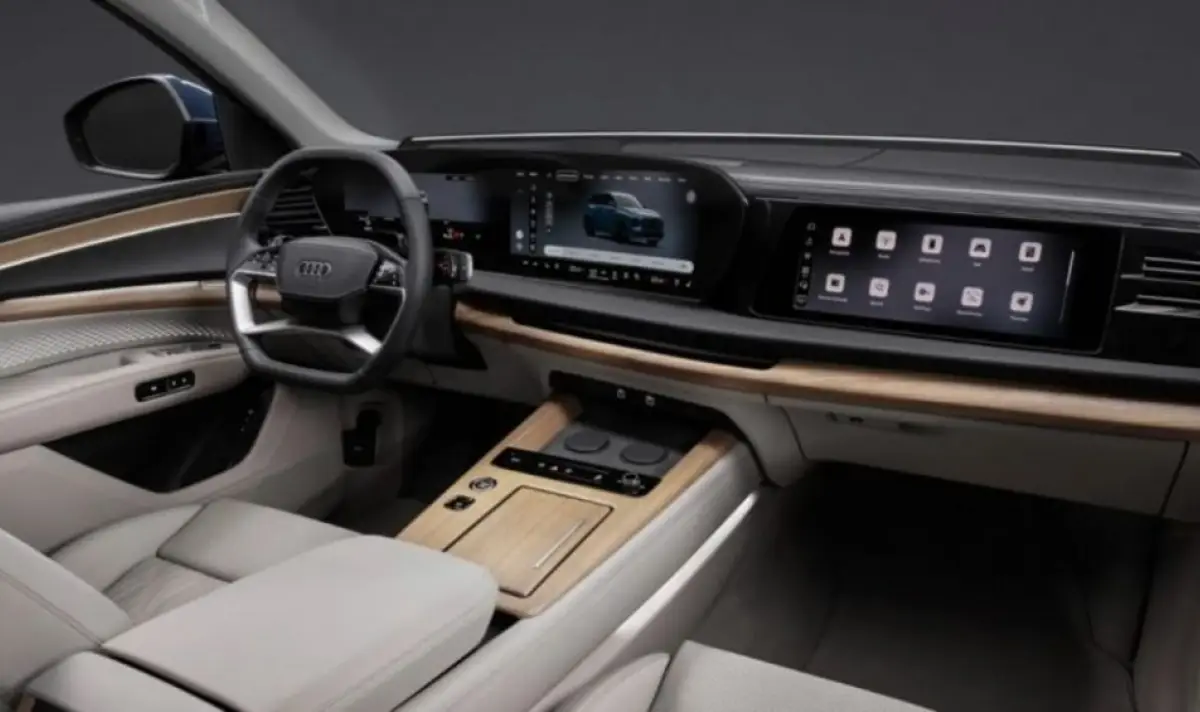

After years of aggressively implementing fully digital interfaces and touch surfaces, the automotive industry is beginning to rethink the boundaries of technological minimalism. The leading German manufacturer Audi is taking a decisive turn in its concept for the layout of the passenger space, with future models of the Ingolstadt brand offering a return to tried and tested classic solutions in the name of higher ergonomics and driving safety.
The company's technical director, Roiven Mohr, argues for this change in development strategy with the fact that physical buttons, switches and rotary selectors are an integral part of the brand's identity. Audi management recognizes the undeniable advantages of traditional controls, which allow the driver to operate the main functions completely intuitively, relying on tactile memory, without having to take his eyes off what is happening on the road. In contrast, fully digital screens often overload the driver's attention and require unnecessarily precise movements while driving.
However, this evolution in design does not mean a retreat from modern technologies. The German brand will continue to integrate the latest generation of digital dashboards, large-scale multimedia platforms and advanced software architectures, but the goal is to achieve a harmonious symbiosis between the virtual and real worlds in the interior. Engineers are also aiming to restore the brand's signature mechanical feel when operating the buttons, which was somewhat lost with the introduction of touch-sensitive glass.
In parallel with the change in control, Audi will direct serious resources to improving the quality of the materials in the cabin. The focus is shifting to premium finishes and precise assembly of details, so that the interior space can once again radiate the brand's traditional luxury, and not simply serve as a backdrop for glowing screens. The new stylistic course will be introduced in stages with the change of generations of subsequent models, with Audi joining the growing number of global automakers adjusting their course towards the complete removal of physical controls from the cockpit.