


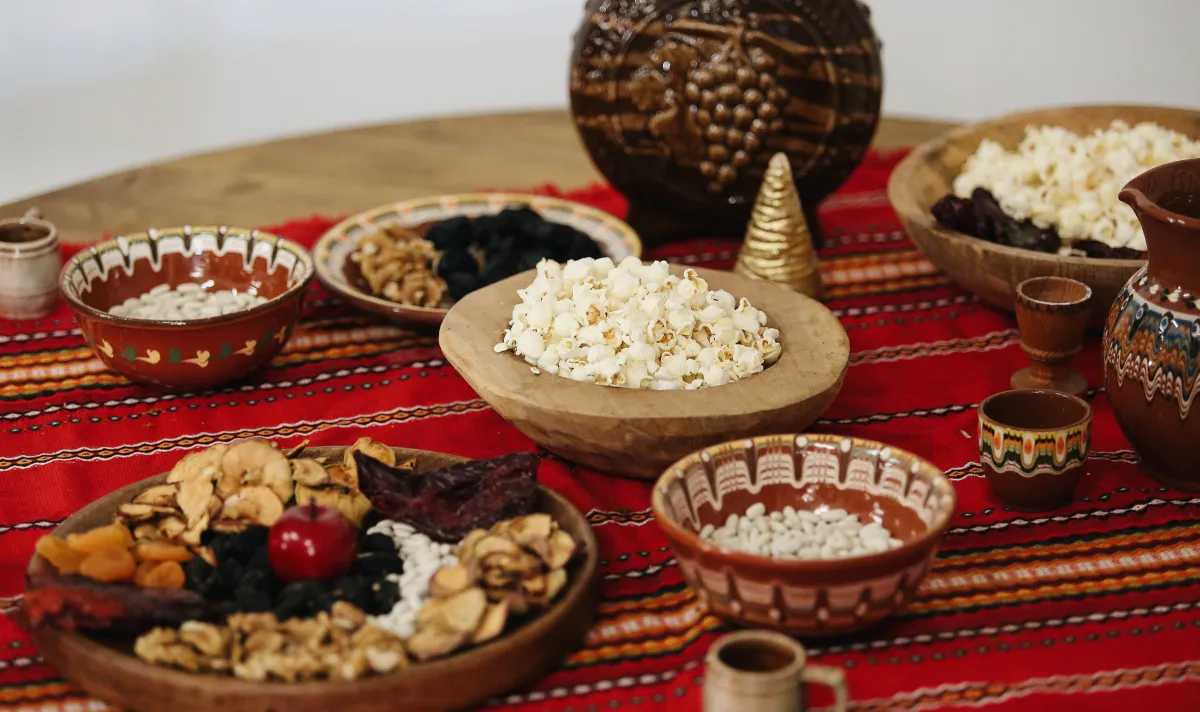

The Christmas Fast has already begun, and for many Orthodox Christians, the next 40 days will be a time of spiritual purification, moderation and changes in eating habits. From November 15 to December 24, believers traditionally abstain from meat, dairy products and eggs, while on certain days the church calendar permits the consumption of fish, oil and wine.
For people who are fasting for the first time, giving up their favorite foods may seem like a serious challenge. The truth, however, is that with a few tricks and good organization, the fast can pass much more easily, without a monotonous menu and constantly thinking about what is forbidden.
Don’t think about what you can’t eat, but about what you can
One of the most common mistakes when starting the fast is focusing on the restrictions. Instead of thinking about the cheese, meat and eggs that are temporarily removed from the menu, pay attention to the variety of permitted foods.
Beans, lentils, chickpeas, peas, potatoes, rice, mushrooms, nuts, seeds and seasonal vegetables can form the basis of dozens of delicious dishes. Bulgarian cuisine offers a rich variety of fasting recipes – from bean soup and stuffed peppers to vine-leaf dolmas, vegetable casserole and pumpkin pastry.
A small psychological trick is not to call your food a „substitute“. Instead of „meatless fasting moussaka“, for example, try to think of it as moussaka with lentils and aromatic spices. This way, the emphasis falls on the flavor rather than on the missing ingredients.
Prepare a three-day meal plan
The greatest enemy during the fast is often not hunger but a lack of ideas. When someone comes home tired from work and has nothing ready for dinner, the temptation to reach for their usual food becomes significantly greater.
That is why one of the most useful tricks is to plan your menu at least three days in advance.
Cook a larger quantity of lentils, beans or chickpeas, roast a tray of vegetables, and prepare rice or bulgur. With these few basic ingredients, you can combine different dishes over the following days.
For example, cooked chickpeas can become hummus for breakfast, an addition to a salad for lunch or the base of a vegetable stew for dinner.
This not only saves time but also reduces the likelihood of breaking the fast due to a lack of suitable food.
Don’t let yourself get too hungry
One reason some people feel constantly hungry during the fast is that they replace meat and dairy products almost entirely with bread, potatoes, rice and pasta.
Although these foods provide energy, a diet based primarily on refined carbohydrates may not provide enough protein and fiber for prolonged satiety.
To avoid this, include a source of plant-based protein in your main meals. Lentils, beans, chickpeas, tofu and soy products are particularly useful.
The combination of whole grains, legumes and vegetables usually provides a longer-lasting feeling of fullness.
Use spices as your secret weapon
Fasting food certainly does not have to be tasteless. On the contrary – the absence of animal products can be an opportunity to experiment with new flavors.
Smoked paprika gives beans, potatoes and mushrooms a rich flavor. Cumin is excellent for chickpeas and lentils, while turmeric and ginger can turn an ordinary vegetable soup into an aromatic dish.
Garlic, lemon juice, mustard and fresh herbs can also work wonders.
A particularly useful trick is to use mushrooms, tomato paste and well-browned onions. They provide the characteristic rich flavor known as umami, which makes food more appetizing and satisfying.
Don’t give up your favorite dishes – change the recipes
Almost any popular dish can be given a fasting version.
The minced meat in moussaka can be replaced with lentils or finely chopped mushrooms. Instead of traditional mayonnaise, you can use aquafaba sauce – the liquid from cooked chickpeas, while creamy sauces can be made from puréed white beans or cashews.
There is good news for those with a sweet tooth as well. Egg-free banana cake, baked apples with cinnamon, pumpkin pastry and chocolate desserts with plant-based milk can satisfy the craving for something sweet.
It is important to remember, however, that not every product labeled „vegan“ is necessarily healthy. Some ready-made plant-based substitutes contain significant amounts of salt, sugar or saturated fat.
Keep suitable foods on hand for emergencies
Hunger between meals is one of the most common reasons people stray from their chosen routine.
That is why it is useful to always have a small supply of suitable foods on hand – a piece of fruit, a few walnuts, roasted chickpeas or whole-grain crackers.
At work, you can keep rolled oats, nuts or a can of beans and chickpeas. This way, even on a busy day, you will have the opportunity to prepare something quickly.
Another practical tip is to check a restaurant’s menu in advance when planning to eat out. More and more establishments offer a variety of plant-based dishes that are not limited to salad and French fries.
Watch out for hidden animal-derived ingredients
Some foods that appear to be suitable for fasting may actually contain milk, eggs or other animal-derived ingredients.
These include certain types of bread, biscuits, chocolate, ready-made sauces, pasta products and packaged soups.
That is why reading labels is a useful habit. Ingredients such as dried milk, whey, casein, egg powder and gelatin deserve particular attention.
On the other hand, there is no need to turn every shopping trip into a complicated investigation. The easiest approach is to choose mostly simple, minimally processed products whose ingredients you recognize.
Don’t forget vitamins and minerals
The Christmas Fast can be part of a balanced diet, but it requires some attention to the intake of certain nutrients.
Of particular importance are vitamin B12, iron, calcium, vitamin D, iodine and omega-3 fatty acids.
Iron is found in lentils, beans, chickpeas and pumpkin seeds. For better absorption, it is useful to combine these foods with sources of vitamin C, such as peppers, lemon or citrus fruits.
Calcium can be obtained from fortified plant-based drinks, tofu prepared with calcium salts and some green vegetables.
Vitamin B12, however, is not reliably provided by unfortified plant foods. During prolonged fully plant-based eating, a reliable source should be arranged through fortified products or a supplement after appropriate consultation.
People with chronic illnesses, pregnant women, breastfeeding women, children and older adults should approach the restrictions individually and consult a doctor or dietitian if necessary.
Don’t turn the fast into a weight-loss diet
Although temporarily eliminating animal products may lead to a change in weight, the Christmas Fast was not created as a weight-loss method.
In fact, some people even gain weight during this period because they increase their consumption of bread, pasta, sweets and French fries.
The better approach is moderation and variety. You do not need to count every calorie, but it is sensible to monitor whether your food provides enough protein, fiber and healthy fats.
Discover the small pleasures of fasting
One of the easiest ways to get through the 40-day period is to create new enjoyable rituals.
Try one unfamiliar recipe each week. Organize a fasting dinner with friends, discover new spice combinations or replace your usual afternoon snack with a homemade dessert.
Such small changes can turn the fast from a series of restrictions into an opportunity to discover new flavors.
The spiritual meaning of the tradition should not be forgotten either. According to the Orthodox understanding, abstaining from certain foods is only one part of the fast. Humility, good deeds, forgiveness and consideration for others are equally important.
The strictness of the dietary restrictions may vary depending on the particular day and church tradition. Believers who wish to observe the fast according to the Orthodox calendar are advised to follow the guidance of their spiritual adviser.
Ultimately, the most successful way to get through the Christmas Fast is not to focus on deprivation, but to discover a sensible and sustainable rhythm that combines tradition, good food and care for oneself.