


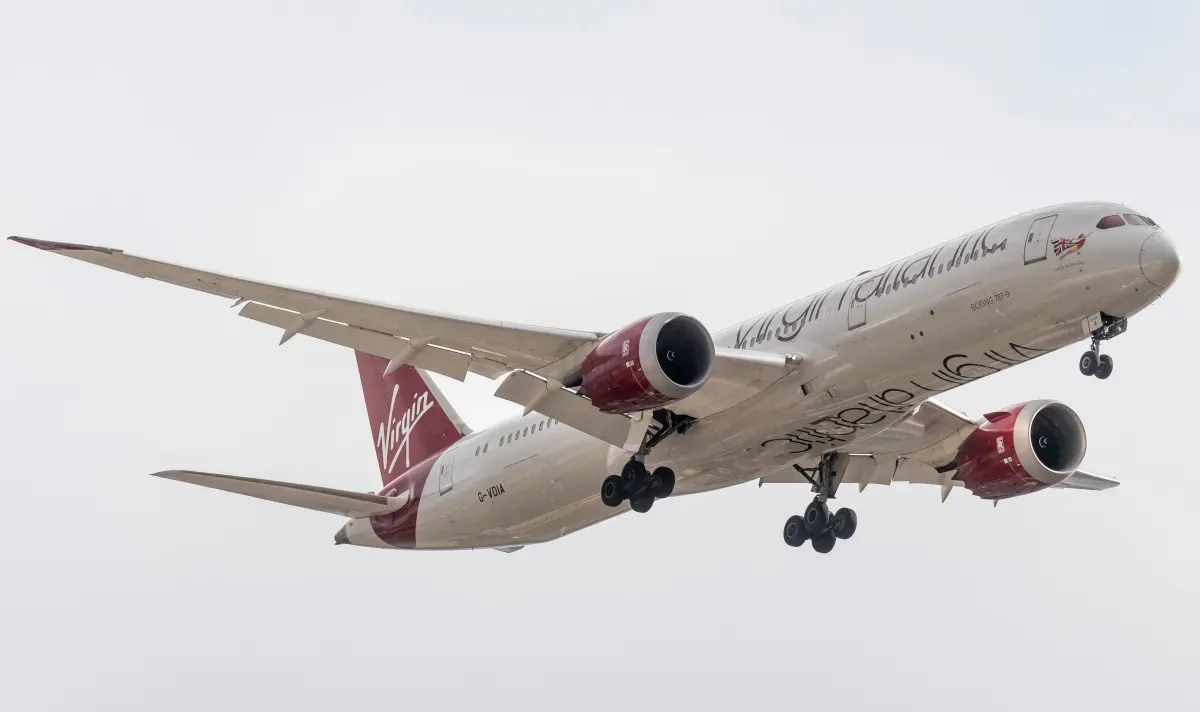

Thousands of flights in the United States were canceled or delayed on Sunday, three days after the technical outage that led to departures being halted from all U.S. airports for more than four hours. According to FlightAware data cited by ABC News, as of 3 p.m. Eastern Time, 2,291 flights had been canceled and 18,689 had been delayed.
Other data showed a different scale of disruption. AAP News reported more than 2,300 canceled and around 7,700 delayed flights on Sunday. The difference is related to the reporting time and the way flights within, to and from the United States are counted.
On Friday, when the Federal Aviation Administration (FAA) imposed a nationwide ban on departures, FlightAware recorded 9,159 canceled and 7,190 delayed flights. On Saturday, airlines canceled more than 6,400 additional flights and reported over 8,000 delays, according to AAP News.
Problem began after a cable was replaced
The FAA cited a technical failure in the communications network used by air traffic control centers. According to Transportation Secretary Sean Duffy, the problems began after a copper cable was replaced with a fiber-optic one at a facility in Eldorado, Arkansas. After a router was connected at the facility, an overload occurred, affecting another center in Amarillo, Texas.
According to the Associated Press, the excessive flow of data caused intermittent disruptions to communications and radar signals. The FAA disabled the functionality of the affected devices, as well as around 60 similar routers across the system.
The exact root cause has still not been established. A representative of Hewlett Packard Enterprise, which owns router manufacturer Juniper, told ABC News that the equipment had operated according to the configuration set by the team that installed it and had not failed on its own.
Authorities reject cyberattack theory
FAA Administrator Brian Bedford said there was no evidence of malicious interference or an issue related to artificial intelligence. Homeland Security Secretary Markwayne Mullin also said there were no indications of a cyberattack and that all aircraft in the air had been tracked and landed safely.
“We do not have the root cause,” Sean Duffy said, adding that the investigation was ongoing.The outage intensified the debate over the condition of the U.S. air traffic control system. According to the Associated Press, some of the equipment in use is outdated, while modernization began after Congress approved $12.5 billion in 2025. The administration is calling for additional funding, which according to official estimates could reach $50 billion.
Airlines are gradually restoring their schedules and rearranging crews and aircraft. The transportation secretary said air traffic should return to full capacity on Monday, but warned that individual delays and cancellations could continue while the system clears the accumulated effects.
Sources: abcnews.com, apnews.com, aapnews.aap.com.au