


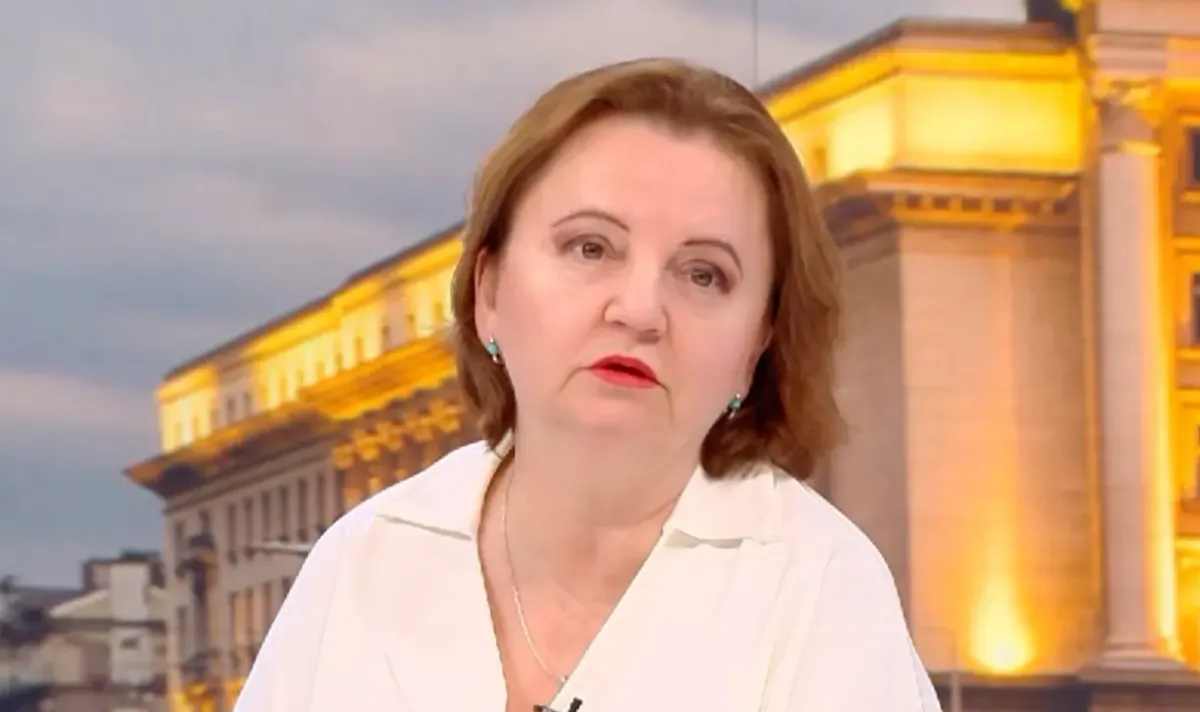

There is no genuine political dialogue between the government and the opposition, and the behavior of the parliamentary majority will show whether those in power are ready to listen to criticism directed at them. This is the position expressed by sociologist Marcela Abrasheva in a comment on the work of the new government.
“It is important for the first occasion to arise when we can understand whether the majority will listen to anything from the opposition. That is how we will see whether there will be a genuine dialogue,” Abrasheva said on NOVA’s “Your Day” program in June.
She pointed to changes in the way the National Assembly operates as one of the first tests of relations between those in power and the opposition. In her words, the explanations given for the procedural changes were not sufficient, while according to the opposition, they restrict parliament as the main forum for political debate.
The parliamentary majority facing criticism
Rumen Radev’s government has an independent majority, allowing it to adopt legislative decisions without seeking support from opposition parties. This raises the question of whether the majority will use its numerical advantage solely to push through its own agenda or will seek agreement on contentious issues.
At the beginning of the autumn parliamentary session, those in power reviewed what had been accomplished during the first 100 days and declared their support for the cabinet’s program. The opposition criticized the budget, foreign policy and the government’s personnel decisions. GERB-UDF announced that it was moving from constructive to critical opposition, while We Continue the Change said that public expectations of the government were already turning into disappointment.
Revival described itself as the only consistent opposition party in parliament. Thus, instead of a united position against the government, rivalry is also emerging among the opposition parties themselves over the role of the majority’s main adversary.
The budget deepens the confrontation
The main dispute between the government and the opposition at present concerns the draft budget for 2027. The cabinet presents it as a plan to limit the deficit and spending. The opposition parties, however, describe it as a budget of impoverishment, inertia and new borrowing.
Against this backdrop, civic organizations are preparing a protest in Sofia on November 17, demanding greater transparency, expert dialogue and a genuine public discussion of the decisions. The organizers claim that the governing majority is imposing legislative changes without sufficient public debate.
According to Abrasheva’s assessment, it is precisely the specific decisions on which the opposition will raise questions that will show whether there is an opportunity for dialogue between the two sides. For now, public statements point to prevailing confrontation rather than a search for agreement.
Sources: nova.bg, bntnews.bg, actualno.com