


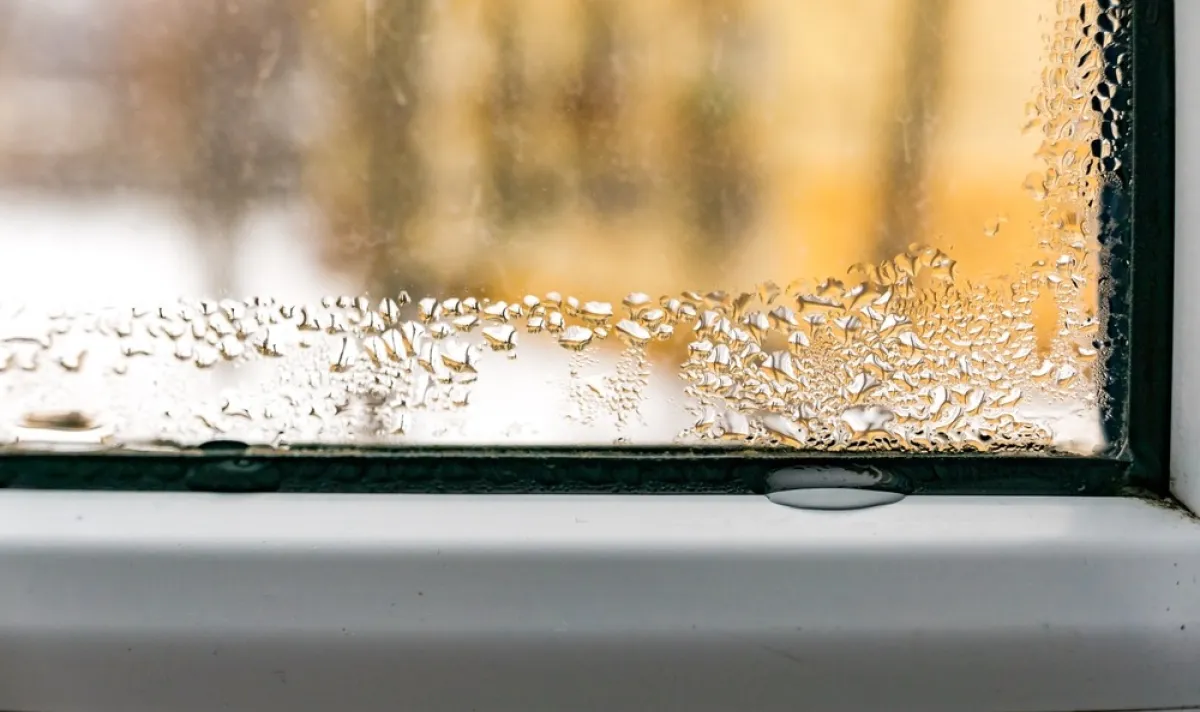

Water on the windows in the morning is not just an unpleasant winter habit. It appears when the warm, humid air in the room meets the cold glass and reaches the dew point. The moisture then turns into droplets that can remain on the frames, seals and sills.
Humidity in the home increases through breathing, bathing, cooking and drying clothes. According to British guidance, a household can add around 12 litres of water to the air each day, while drying laundry indoors can push the amount above 20 litres.
Rachael Munby of Anglian Home Improvements recommends opening the windows for 10-15 minutes every day, including in cold weather. “This brief airing helps replace humid air with fresh, drier air,” she told Mirror.
Munby also advises keeping the air vents on the windows open whenever possible. They provide a constant, gentle flow of air and limit the build-up of moisture overnight.
In the bathroom, the fan should be switched on at least five minutes before showering and left running for 30 minutes afterwards, recommends Neil Thompson of Nôsa. He says this removes humid and stale air, which is particularly important in rooms without windows.
Simon Browne of Luxaflex points out that it is not necessary to heat the entire home more to reduce condensation. In his view, blinds or shutters should be left slightly open during cold nights rather than being fully closed.
This allows air to circulate around the glass and keep it slightly warmer. In the morning, blinds and curtains should be opened fully so that any remaining moisture can dry more quickly.
James Roberts, a plumber and director of Sanctuary Bathrooms, recommends moving freestanding furniture away from exterior walls. According to him, there should be around 10 centimetres of space behind wardrobes, beds, sofas and cabinets whenever the room allows.
One household trick is also to rub the glass with a small amount of washing-up liquid. Cleaning expert Lynsey Crombie describes it as a thin barrier that changes the way droplets form.
However, this method does not remove moisture from the air. That is why airing out rooms, using fans and limiting the drying of clothes inside the home remain the main measures against condensation. When humidity rises above around 70 per cent, the risk of mould on walls, frames and seals increases.