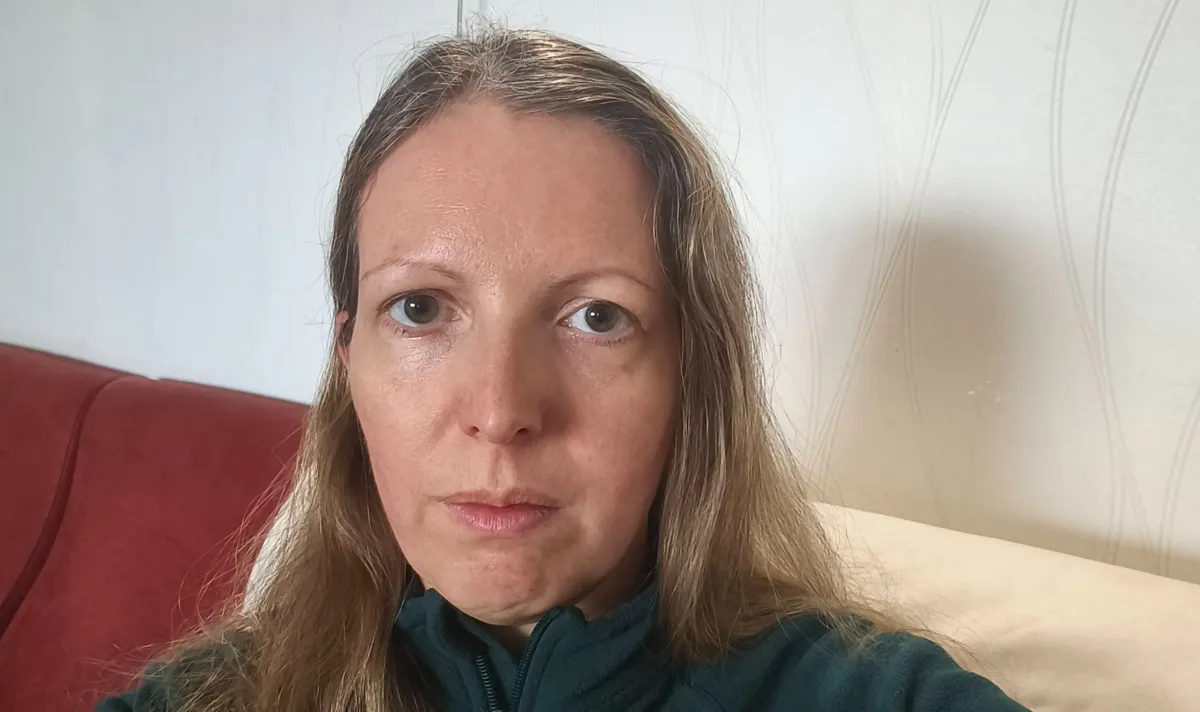
The Black Sea is warming faster than any other European sea, and rising temperatures pose a serious threat to seagrasses, bottom-dwelling organisms and the overall balance of the ecosystem. A difference of just 2 degrees – from 28 to 30°C – can lead to mass mortality among marine organisms and the collapse of key ecological processes… Dr. Stefania Klein, PhD in hydrobiology and chief assistant professor at the Institute of Biodiversity and Ecosystem Research of the Bulgarian Academy of Sciences, speaks to FAKTI.
- Dr. Klein, why is the Black Sea the fastest-warming sea in Europe? What does this mean in practice, and how worrying is the situation with water temperatures in recent years?
- The Black Sea is warming faster than any other sea in Europe because of its geographic isolation - its only connection to the World Ocean is through the Bosporus. Limited water exchange and the lack of cold deep-water ocean currents prevent the dissipation of accumulated heat. Rising summer temperatures also trap hot air masses in the region, while milder winters prevent the water from cooling at depth. Since 2000, we have observed a steady warming trend, which is serious and deserves attention.
- In the laboratory experiment conducted by scientists from the Bulgarian Academy of Sciences, a difference of just 2°C – between 28 and 30°C – proved critical for marine ecosystems. What happens to seagrasses, invertebrates and sandy seabeds when this temperature threshold is crossed?
- When this threshold was crossed in our experiment, both the seagrasses and the invertebrate animals living among them died - only individual specimens of the most resilient species managed to survive. The situation was even worse on sandy seabeds without seagrasses - no living organisms remained there at all, except bacteria. Oxygen levels in the sediments of both habitats dropped dramatically.
- In 2010 and 2014, marine heatwaves with temperatures above 29°C were recorded in the coastal zone of Burgas Bay. How likely is it that such events will become more frequent and reach 30°C, the critical temperature for marine organisms?
- It is highly likely that we will see marine heatwaves in the Black Sea more and more often, including extreme events - longer-lasting and 3-4 degrees warmer than average summer temperatures. Globally, the frequency of marine heatwaves has already doubled over the period 1982-2016, while climate models project an even more intense increase throughout the 21st century under all climate scenarios - not only the pessimistic ones. It is also particularly critical for marine ecosystems how often these events occur and how long they last - this determines the level of stress to which they are subjected and the extent to which they could recover after temperatures return to more ”normal” levels. For example, several consecutive “average” heatwaves during a single summer could also have serious consequences for living organisms and ecosystems.
- At 28°C, seagrasses are still able to preserve biodiversity and key ecosystem functions, but at 30°C this protection collapses. Why are seagrasses so important for the resilience of the Black Sea, and what do we lose when they die?
- The experiment shows how important seagrasses are for the resilience of processes in the coastal zone of the Black Sea. They support high biodiversity among various vertebrate and invertebrate animals, ensure the normal recycling of nitrogen and phosphorus in sediments, and store large reserves of organic carbon. The loss of seagrasses would lead to the loss of all these ecosystem services:
- a decline in biodiversity in the coastal zone, including commercial fish and invertebrate species that prefer them as habitats for growing and feeding;
- disruption of nitrogen and phosphorus exchange processes, which could lead to a deterioration in marine water quality;
- the release of carbon accumulated in sediments and biomass, which could further worsen the effects of climate change.
- Strong warming leads to lower oxygen levels in sediments and the release of more nitrogen and phosphorus into the water. What consequences could this have for marine water quality, and is there a risk of a vicious cycle of pollution, oxygen depletion and mass mortality among marine organisms?
- Yes, there is a serious risk. Oxygen loss leads to the release of nitrogen and phosphorus from sediments into the water column as a result of various bacterial processes. This stimulates eutrophication (the enrichment of water with nitrogen and phosphorus, which leads to the mass proliferation of plankton and algae), further depleting oxygen and often causing mass mortality among marine organisms, especially poorly mobile or fixed bottom-dwelling organisms - a classic vicious cycle. The risk is particularly high in summer, when high temperatures lead to water stratification and limited vertical exchange - meaning that the possibility of introducing oxygen from the atmosphere through mixing is also reduced. Seagrasses, which release oxygen through photosynthesis, could partly offset these effects, but this is more difficult in sandy sediments.
- The Black Sea already experienced a serious ecological collapse at the end of the 20th century due to the accumulation of pollution from agriculture, overfishing and invasive species. To what extent could today’s warming deepen these problems, and is there a danger of another ecosystem collapse?
- Black Sea ecosystems are recovering from the ecological crisis of the late 20th century, but their structure has changed: quite a few species have never recovered, and food webs have been reorganized. While pollution from agriculture and untreated wastewater has been significantly reduced, overfishing and destructive fishing practices continue, and the likelihood of new non-native and invasive species appearing is high. Today’s warming acts as an additional stressor. It would lead to a decline in cold-loving species - for example, some zooplankton species that are a major food source for small plankton-eating fish - and consequently to effects transmitted throughout the entire food chain. Some Mediterranean species, meanwhile, could spread into the Black Sea if temperatures become more favorable for them. It is difficult to say precisely what the effect of the arrival of new species would be - it depends on the success of their establishment and their ecological role.
- What further research is needed to determine how close the real Black Sea is to the critical threshold?
- Long-term field studies are needed to analyze the combined impact of and interactions between the many stressors (temperature, pollution, acidification..) under real-world conditions, rather than only in a controlled laboratory environment. Regular monitoring of marine ecosystems is also needed, as provided for under European marine directives, so that we can track potential changes and respond in time to protect and restore them. The historical data already collected also needs to be mobilized. All of this will help in developing predictive models of biodiversity and ecosystem functioning, enabling measures to adapt to climate change to be anticipated and implemented.
- What will the consequences be for fishing and tourism along the Bulgarian Black Sea coast if seagrasses and bottom-dwelling organisms begin to disappear on a larger scale? Could ecological changes directly affect the livelihoods of coastal communities?
- The changes would directly affect coastal communities. Many commercially important fish species rely on seagrass meadows for reproduction, shelter and feeding their young. Their disappearance could lead to a decline in fish stocks. Deterioration in water cleanliness and quality as a result of disrupted nutrient exchange processes would also deal a blow to tourism.
- What can be done now to increase the Black Sea’s resilience to marine heatwaves? Which measures are most important - reducing pollution, protecting and restoring seagrasses, or stricter control over human activities along the coast?
- At the local level, strict controls can be imposed on wastewater and agricultural pollution, coastal construction can be restricted, and direct measures can be implemented to protect seagrass meadows. A large part of the coastal ecosystems (including some seagrasses) is already located within Natura 2000 marine protected areas, but the prescribed bans are widely ignored. It is important to maintain ecosystems in the best possible condition so that they can adapt to global climate change.
At the global level, coordinated international action is needed to reduce greenhouse gas emissions, as local measures alone cannot limit climate change. Unfortunately, there has been no significant progress in this direction, and processes that have already begun will not stop immediately, making adaptive measures even more important.
- If warming of the Black Sea continues according to pessimistic climate scenarios, what future awaits the Bulgarian coast by the end of the century? Is there still an opportunity to prevent the most severe consequences, or should we already be preparing for irreversible changes in the marine ecosystem?
- I would expect a restructuring of biodiversity and ecosystems - the arrival of new warm-loving species (including potentially invasive ones) and a decline or even disappearance of more cold-loving species. All of this will lead to altered but probably functioning ecosystems - if the new species take over the ecological roles of those they displace or with which they coexist.
It is never too late to act: timely measures can mitigate potential damage and prevent the most catastrophic scenarios. The “healthier” the ecosystems are (clean, with high biodiversity and not subjected to pressure from human activities), the greater their resilience to new stress and the greater - their chances of adapting.
----------------------------------------
Stefania Klein has a PhD in hydrobiology and has been a chief assistant professor at the Institute of Biodiversity and Ecosystem Research of the Bulgarian Academy of Sciences since 2022. She holds a master’s degree in marine biology from France. As part of the team at the Laboratory of Marine Ecology at the Institute of Biodiversity and Ecosystem Research of the Bulgarian Academy of Sciences, she has participated in a number of national and international projects related to mapping and protecting bottom-dwelling marine ecosystems in the Black Sea, their biodiversity and functioning, and the impact of climate change on coastal ecosystems. Her scientific interests include the biodiversity and habitats of bottom-dwelling invertebrates, the functioning of marine ecosystems and human impacts on them, and the assessment of the environmental quality of the environment.

Dr. Stefania Klein to FAKTI: The Black Sea Is Warming Faster Than Any Other Sea in Europe Due to Its Geographic Isolation
Much of the coastal ecosystems are already located within Natura 2000 marine protected areas, but the prescribed bans are widely ignored, she says
Nov 16, 2026 13:04 83