



Ministers from Austria, Germany, Denmark, Greece and the Netherlands will discuss in Vienna the creation of migrant return centers outside the European Union. The meeting is part of the Vienna Migration Conference and is being held against the backdrop of the five countries’ plans to select a partner country by the end of 2026.
Rwanda is the leading candidate to host the first such center, while Uganda is being considered as an alternative option. According to Greek Minister of Migration and Asylum Thanos Plevris, the decision on the host country is expected to be presented precisely at the meeting in Vienna. Information about a possible agreement with Rwanda was reported by “Ekathimerini,” citing the Greek government.
Who the centers will concern
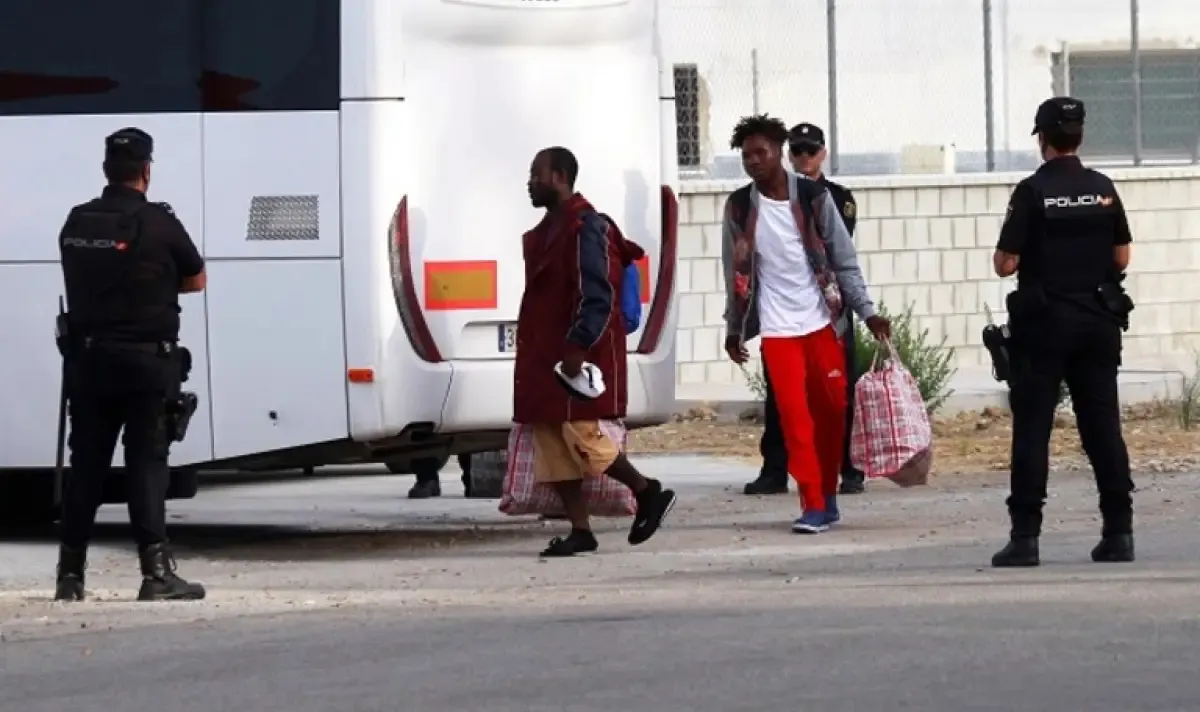
The planned centers are intended for people whose asylum applications have been finally rejected or for migrants who have no legal grounds to remain in the EU but cannot immediately be returned to their countries of origin. The idea is for them to be temporarily transferred to a partner country outside the bloc until their return can be arranged.
On September 4, the ministers of the five countries adopted common principles for the model. They said the centers should be established through equal partnerships with countries outside the EU and should contribute to curbing illegal migration and the activities of people smugglers.
Danish Minister for Immigration and Integration Morten Bødskov said that the first migrants could be transferred to a partner country in 2027. “We are not talking about camps, but about opportunities and a new chance for people who today cannot return to their own country and have no legal grounds to remain in our countries,” he said, as quoted by the Associated Press.
Rules and criticism
The EU’s new rules allow the creation of return centers in countries outside the bloc, but require fundamental rights to be respected. The European Union Agency for Fundamental Rights warned that such centers cannot be “rights-free zones,” and that transfers must be based on a specific agreement with the receiving country.
Human rights organizations are challenging the model because of the risk of prolonged detention and limited access to legal protection. Critics also point out that sending people to a country with which they have no connection could lead to new legal disputes.
No final agreement with Rwanda has been announced, nor have the capacity, funding and legal status of the future center been clarified. The five countries aim for the facility to begin operations in 2027.
Pressure for such a mechanism is growing because of the low proportion of removal orders that are actually enforced. In 2025, nearly 492,000 such orders were issued in the EU, but around 135,000 returns were carried out, Euronews reported.
Sources: ekathimerini.com, rte.ie, apnews.com