


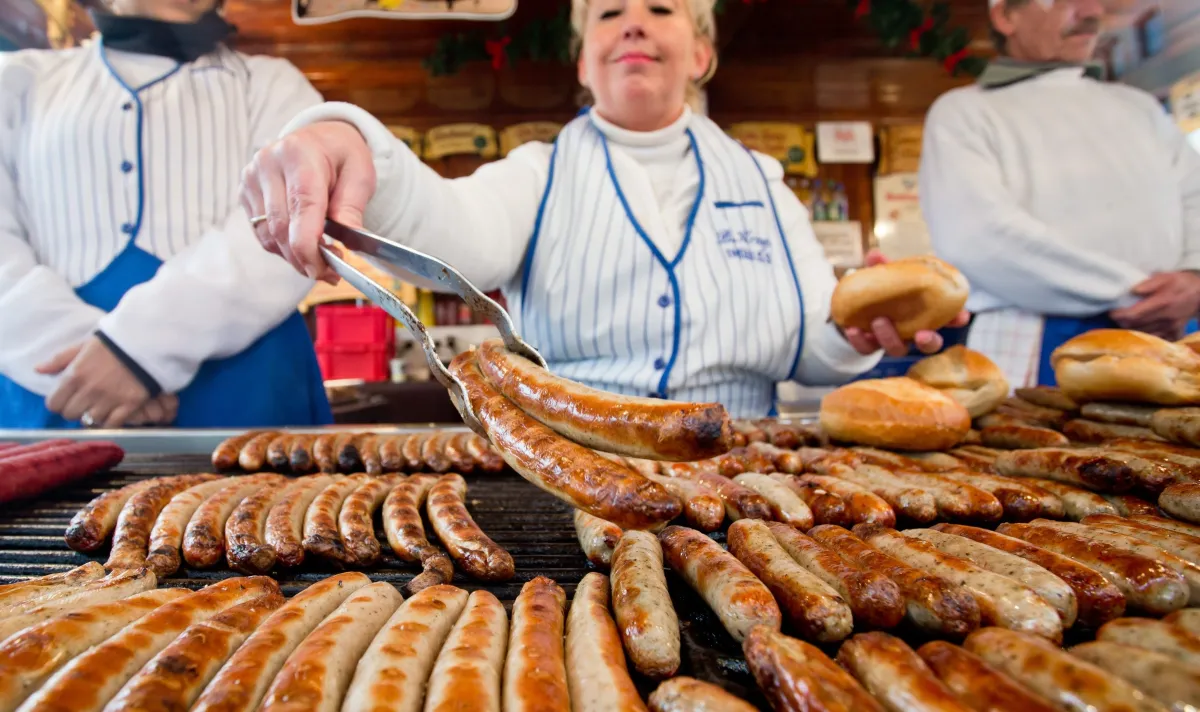

The sale of sausages at village festivals could become a tax issue for Germany’s volunteer fire brigades. From January 1, 2027, the mandatory application of the new value-added tax rules to municipalities and other public bodies is expected to begin. The changes are linked to Section 2b of Germany’s Value Added Tax Act.
Under the rules, municipalities and cities will generally be taxed when they engage in commercial activity. This could affect volunteer fire brigades if they operate as part of the municipality rather than as independent associations. In such a case, selling bratwurst at a village festival or another local event could require VAT to be charged, detailed accounting and the issuance of sales documents.
From January 1, 2026, a reduced rate of 7% applies to food sold in snack bars and restaurants. For the organizations concerned, however, the new regime means not only a potential tax liability but also additional administrative work. This in particular has drawn criticism from representatives of local authorities and volunteer organizations.
Call for exemptions in Schleswig-Holstein
In the Schleswig-Holstein parliament, the CDU, the Greens and the FDP called for the rules to be postponed or for additional exemptions to be introduced for small local events. FDP parliamentary group leader Christopher Vogt said: “If the sausage at the Easter bonfire becomes a matter for the tax office, something has gone seriously wrong.”
Vogt urged the government in Kiel to “urgently support local volunteers”. During the parliamentary debate, lawmakers called for a practical guide for municipalities and legal protection for small events organized by volunteer fire brigades, kindergartens and schools. All parliamentary groups in the state parliament expressed their support for the initiative.
North Rhine-Westphalia has already introduced an exemption
In North Rhine-Westphalia, Finance Minister Marcus Optendrenk issued an order exempting sausages sold by volunteer fire brigades at their festivals from VAT. The decision is based on an existing approach to the sale of pastries at school events.
“Everyone who volunteers in the local fire brigade deserves support, not paperwork,” Optendrenk said. According to the authorities in the state, occasional food sales do not constitute a lasting business model that creates genuine competition for private enterprises.
The decision in North Rhine-Westphalia increased pressure on other states to find a similar approach before the rules enter into force. For now, German municipalities and volunteer organizations are awaiting further guidance on exactly how the regime will apply to local festivals and sales used to raise funds for the community.
Sources: euronews.com, ndr.de, www1.wdr.de