Due to the escalation of tension in the Middle East, the regional governor of Varna requested information about the number and condition of bomb shelters in the region, bTV reported.
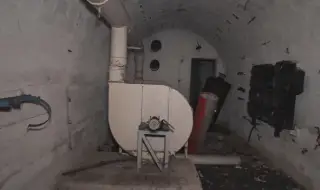
The bunker in the capital region "Lozenets" was last used during World War II. Directional arrows are visible in the corridors, leading to different rooms. Pipes left over from the sewage and ventilation are also noticeable.
It covers an area of 4 acres underground, has 2 entrances and different rooms.
„There are rooms that look like a canteen, there are toilets, there are rooms that look like rooms in which some activity is carried out. The main part is occupied by corridors“, explained the mayor of the district “Lozenets“ Konstantin Pavlov.
The bunker has been abandoned for years. And the intentions are to one day use it as a cultural site. “I really hope that people will not have to hide here. But in my opinion, several hundred people could fit, but the issue of ventilation and lighting needs to be resolved“, added Pavlov.
The place that experts call the largest bomb shelter in the country is the capital's metro. It has over 50 kilometers of tunnels.
“We are always ready to respond to an emergency. The key point is people who can be sheltered is relative. It matters whether they enter with wheelchairs, whether additional space is needed. We will use not only the platforms, but also the tunnels“, said the director of “Metropolitan“ Nikolay Naydenov.
One of the three bunkers in Blagoevgrad is also located under a building. It was built in the 1960s. Journalist Rumen Zherev, who lives above the bunker, tells us that no one has entered it for years and it is locked:
“The bunker is in the left part of our basements, it is part of my childhood. It was open. We would sneak around inside, chase each other, there was no lighting. In the 1970s, renovations were carried out, tables and desks were put in, lighting was installed. The door is armored. They installed a system for air entry“.
There are 247 bomb shelters in the country that are in a condition that allows them to be used, according to fire department data. Of these, 18 are in “good technical condition" and can be used immediately. The remaining 229 are in satisfactory condition and can be brought into readiness within a week.