


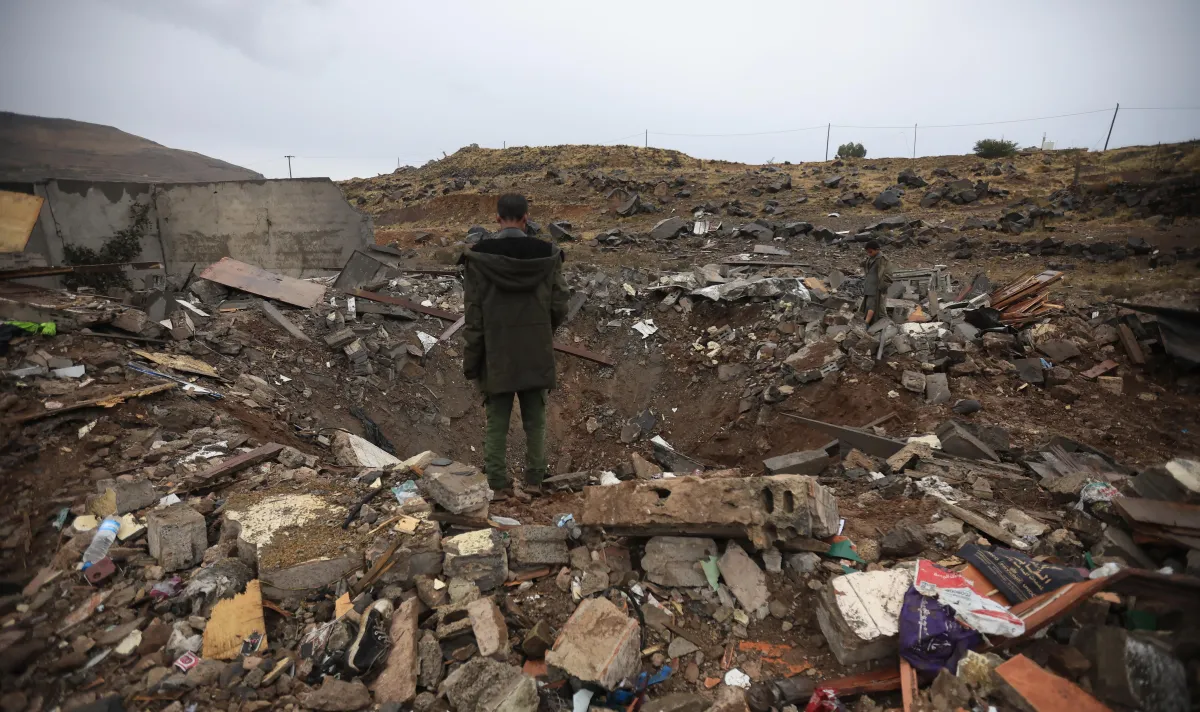

Russian intelligence satellites were concentrated over targets in Saudi Arabia before several precision strikes by Iran-backed Houthi and Iraqi militias, the Associated Press reports. The data was collected by the private company AURORAH Geosignal Intelligence, which analyzed 40 missile and drone attacks between July 1 and October 19.
“What we found was a 100 percent match between the satellite activity and the strikes,“ the company's founder, Nawaf Obaid, told the AP.
The strikes on the pipeline and the air base
On September 10, drones launched from Iraq hit three pumping stations on the East-West pipeline. The facility is 1,200 kilometers long and is a vital alternative route for Saudi oil exports.
Since July, AURORAH has been monitoring 11 Russian satellites from the “Kosmos-2600“ series over three sections of the pipeline. Obaid said the overflights increased in the weeks before and in the hours surrounding the attack, indicating intelligence activity before and after the strike.
A week later, the Houthis shelled King Fahd Air Base near Taif. The Italian Defense Ministry reported that a hangar and an Italian Air Force Eurofighter Typhoon were damaged.
In the 72 hours before and after both strikes, the company reported a 50 percent increase in the number of Russian satellites over targets compared to July. Obaid said the fact that the Italian plane was hit, rather than Saudi planes at the same base, suggests "highly specialized intelligence support" that the Houthis and Iran do not have on their own.
Data points to a pattern, but does not prove transmission
AURORAH has identified 72 Russian intelligence satellites and compared their trajectories to military activity on the ground. However, the company has not intercepted any direct transmission of intelligence to Iran or its allies.
Three officials, including a Saudi official and a senior Houthi, as well as a private intelligence analyst, told the AP that the Houthis and other allies of Iran have benefited from Russian intelligence and Chinese technology. According to the agency, Iranian advisers on the ground analyzed the information and passed it on to allied groups.
Saudi Arabia's deputy foreign minister for public diplomacy, Raed Karimli, said that Iran and the Houthis receive intelligence from "elements in Russia and China, sometimes even from commercial structures." He added that Riyadh regularly discusses the issue with Beijing and Moscow.
Russian officials did not immediately comment on the allegations. Separately, a Saudi official familiar with the investigation of the latest attacks told the AP that Russian satellite data has also helped other strikes against sensitive sites in the region. These allegations are not supported by public evidence of direct transmission of specific intelligence materials.
Sources: apnews.com, ukrinform.ua